

Colombo City Tour
Destications
- Gangaramaya Temple
- Red Mosque
- Independence Square
- Galle Face
- Colombo Harbour
- Colombo National Museum
- Parliament of Sri Lanka
If you want, you can arrange customized packages to visit the places of your choice.
Gangarama Temple
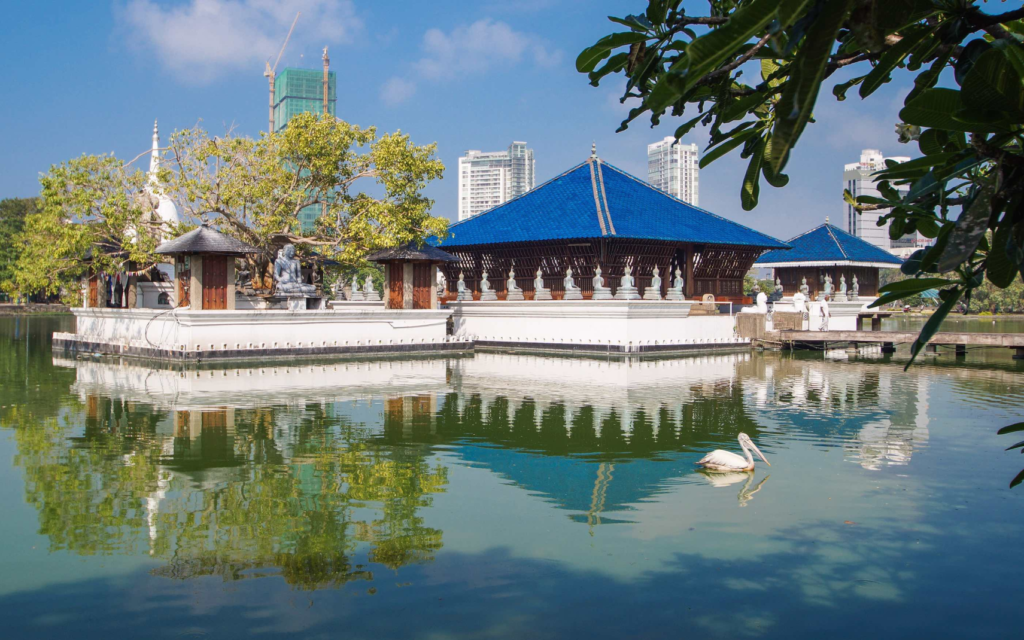
The temple’s architecture demonstrates an eclectic mix of Sri Lankan, Thai, Indian, and Chinese architecture.
This Buddhist temple includes several imposing buildings and is situated not far from the placid waters of Beira Lake on a plot of land that was originally a small hermitage on a piece of marshy land. It has the main features of a Vihara (temple), the Cetiya (Pagada) the Bodhitree, the Vihara Mandiraya, the Seema malaka (assembly hall for monks) and the Relic Chamber. In addition, a museum, a library, a residential hall, a three storeyed Pirivena, educational halls and an alms hall are also on the premises.
Most notable for tourists is the architecture of Seema Malaka, which was built with donations from a Muslim sponsor to the design of Geoffrey Bawa.
Red Mosque
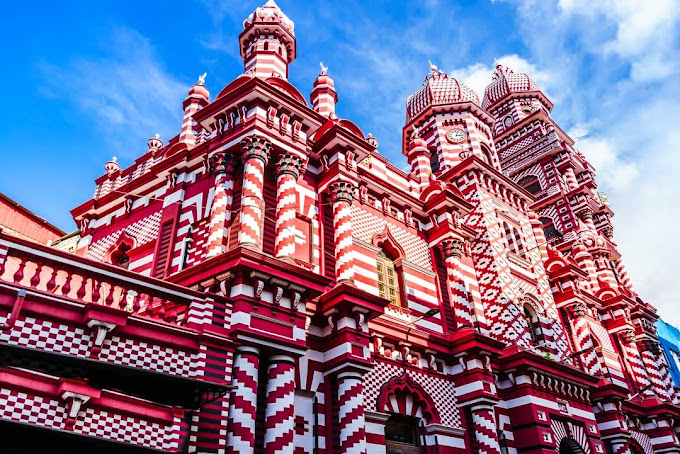
Construction of the Jami-Ul-Alfar Mosque commenced in 1908 and the building was completed in 1909.The mosque was commissioned by the local Indian Muslim community, based in Pettah, to fulfill their required five-times-daily prayer and Jummah on Fridays. The mosque’s designer and builder was Habibu Lebbe Saibu Lebbe (an unlettered architect), and was based on details/images of Indo-Saracenic structures provided by South Indian traders, who commissioned him. It is a hybrid style of architecture, that draws elements from native Indo-Islamic and Indian architecture, and combines it with the Gothic revival and Neo-classical styles. Originally it had the capacity for 1,500 worshippers although at the time only around 500 were attending prayers.
Independence Square
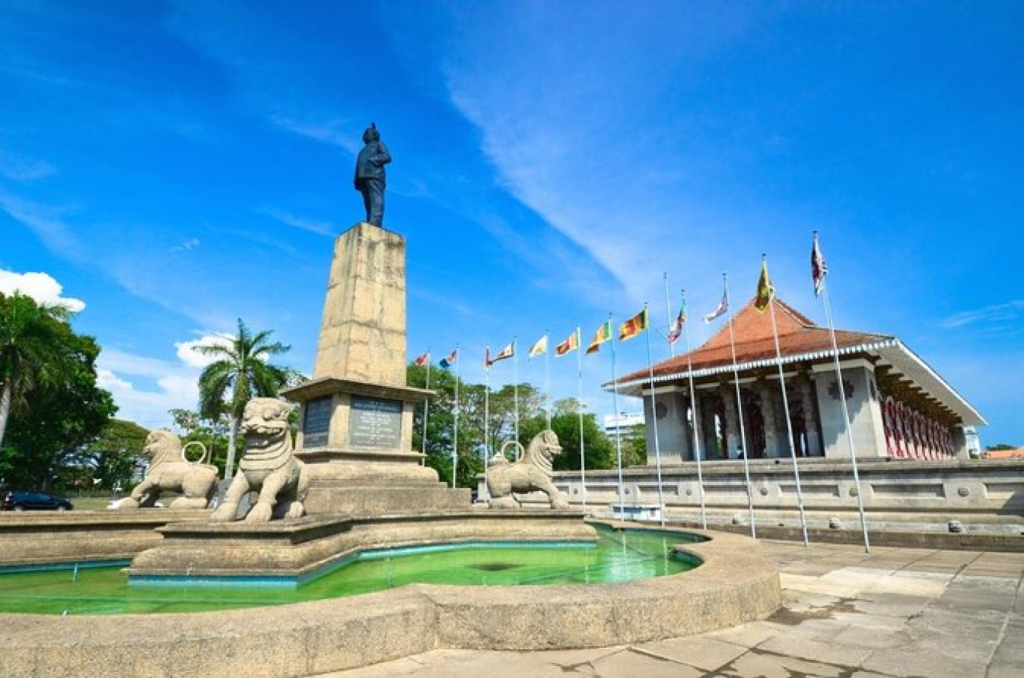
Independence Memorial Hall (also known as Independence Commemoration Hall) is a national monument in Sri Lanka built for commemoration of the independence of Sri Lanka from the British rule with the restoration of full governing responsibility to a Ceylonese-elected legislature on 4 February 1948. It is located in Independence Square (formerly Torrington Square) in the Cinnamon Gardens, Colombo. It also houses the Independence Memorial Museum.
The monument was built at the location where the formal ceremony marking the start of self-rule, with the opening of the first parliament by Prince Henry, Duke of Gloucester occurred at a special podium on 4 February 1948.
Galle Face
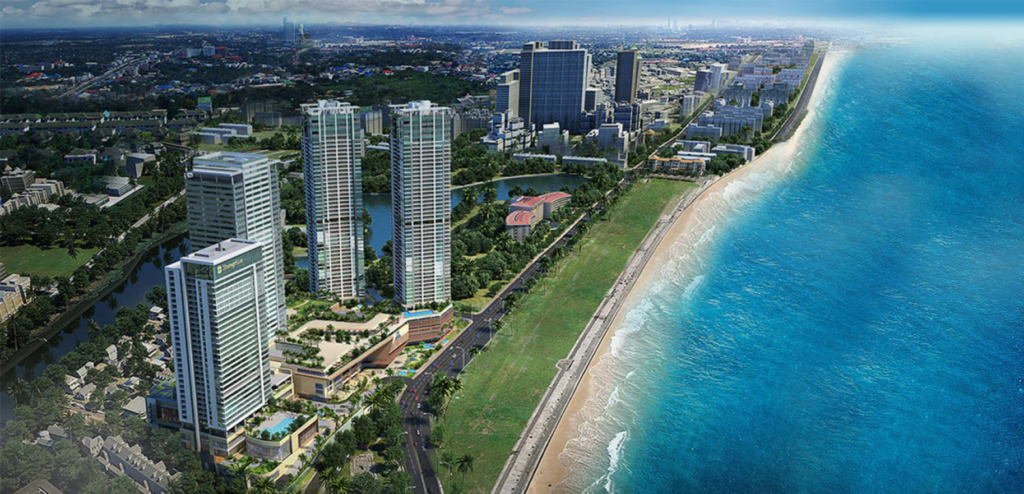
Galle Face is a 5 ha (12 acres) ocean-side urban park, which stretches for 500 m (1,600 ft) along the coast, in the heart of Colombo, the financial and business capital of Sri Lanka. The promenade was initially laid out in 1859 by Governor Sir Henry George Ward, although the original Galle Face Green extended over a much larger area than is seen today. The Galle Face Green was initially used for horse racing and as a golf course, but was also used for cricket, polo, football, tennis, and rugby.
Colombo Harbour
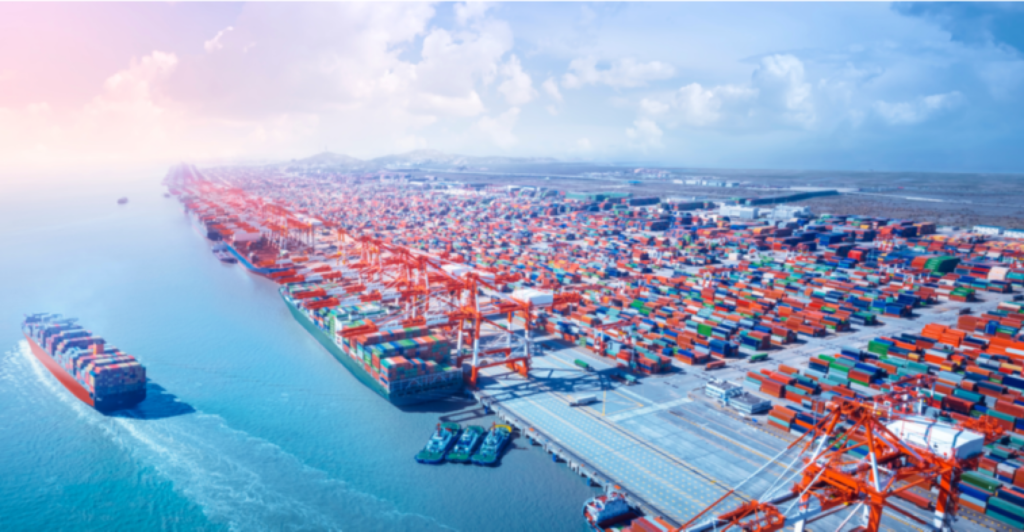
The Port of Colombo (known as Port of Kolomtota during the early 14th Century Kotte Kingdom) is the largest and busiest port in Sri Lanka and the Indian Ocean. Located in Colombo, on the southwestern shores on the Kelani River, it serves as an important terminal in Asia due to its strategic location in the Indian Ocean. During the 1980s, the port underwent rapid modernization with the installation of cranes, gantries and other modern-day terminal requirements.
Colombo National Museum
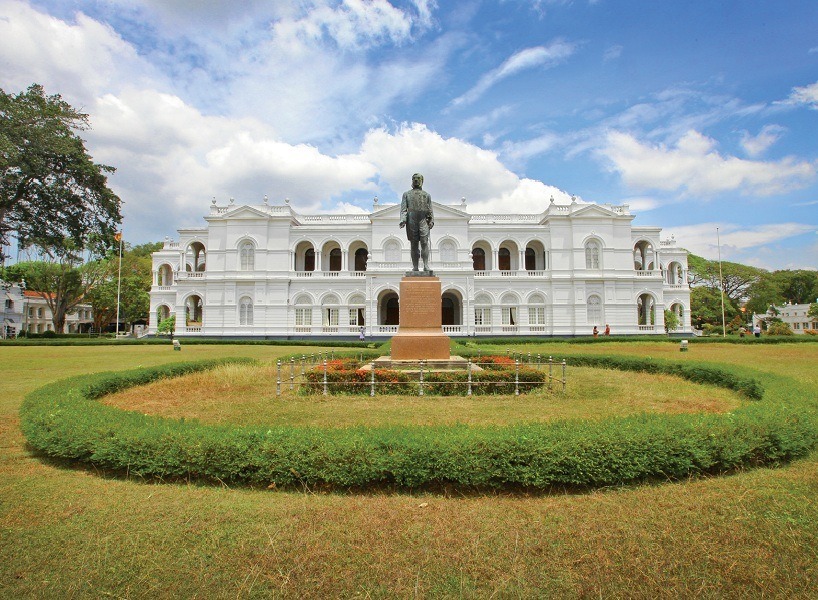
The Colombo National Museum, also known as the Sri Lanka National Museum, is a museum in Colombo and the largest in Sri Lanka. Founded in 1877 and maintained by the Department of National Museums, it holds collections of significant importance to Sri Lanka, such as the regalia of the Kandyan monarchs, as well as many other exhibits relating the country’s cultural and natural heritage
Parliament of Sri Lanka
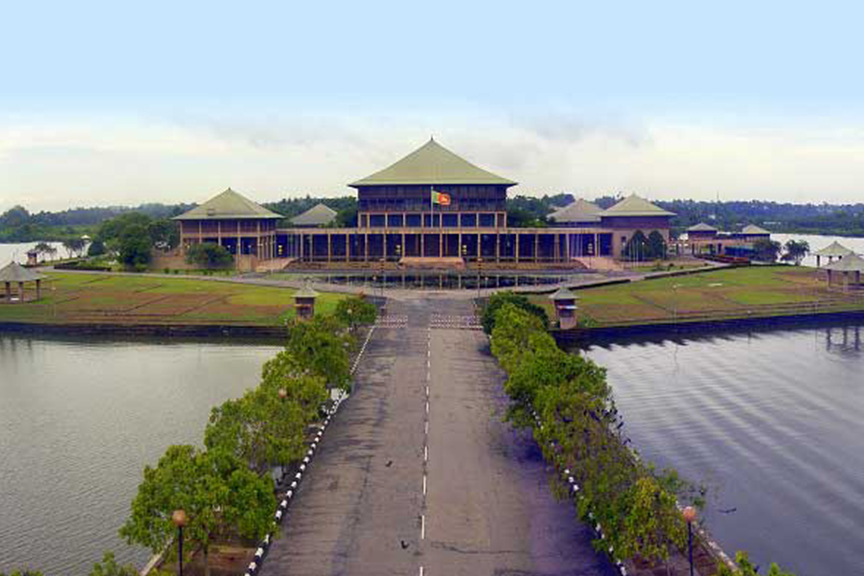
The Parliament of the Democratic Socialist Republic of Sri Lanka is the supreme legislative body of Sri Lanka. It alone possesses legislative supremacy and thereby ultimate power over all other political bodies in the island. It is modeled after the British Parliament.It consists of 225 members known as Members of Parliament (MPs). Members are elected by proportional representation for five-year terms, with universal suffrage.
Colombo City Tour
Destications
- Gangaramaya Temple
- Red Mosque
- Independence Square
- Galle Face
- Colombo Harbour
- Colombo National Museum
- Parliament of Sri Lanka
If you want, you can arrange customized packages to visit the places of your choice.
Gangarama Temple
The temple’s architecture demonstrates an eclectic mix of Sri Lankan, Thai, Indian, and Chinese architecture.
This Buddhist temple includes several imposing buildings and is situated not far from the placid waters of Beira Lake on a plot of land that was originally a small hermitage on a piece of marshy land. It has the main features of a Vihara (temple), the Cetiya (Pagada) the Bodhitree, the Vihara Mandiraya, the Seema malaka (assembly hall for monks) and the Relic Chamber. In addition, a museum, a library, a residential hall, a three storeyed Pirivena, educational halls and an alms hall are also on the premises.
Most notable for tourists is the architecture of Seema Malaka, which was built with donations from a Muslim sponsor to the design of Geoffrey Bawa.
Red Mosque
Construction of the Jami-Ul-Alfar Mosque commenced in 1908 and the building was completed in 1909.The mosque was commissioned by the local Indian Muslim community, based in Pettah, to fulfill their required five-times-daily prayer and Jummah on Fridays. The mosque’s designer and builder was Habibu Lebbe Saibu Lebbe (an unlettered architect), and was based on details/images of Indo-Saracenic structures provided by South Indian traders, who commissioned him. It is a hybrid style of architecture, that draws elements from native Indo-Islamic and Indian architecture, and combines it with the Gothic revival and Neo-classical styles. Originally it had the capacity for 1,500 worshippers although at the time only around 500 were attending prayers.
Independence Square
Independence Memorial Hall (also known as Independence Commemoration Hall) is a national monument in Sri Lanka built for commemoration of the independence of Sri Lanka from the British rule with the restoration of full governing responsibility to a Ceylonese-elected legislature on 4 February 1948. It is located in Independence Square (formerly Torrington Square) in the Cinnamon Gardens, Colombo. It also houses the Independence Memorial Museum.
The monument was built at the location where the formal ceremony marking the start of self-rule, with the opening of the first parliament by Prince Henry, Duke of Gloucester occurred at a special podium on 4 February 1948.
Galle Face
Galle Face is a 5 ha (12 acres) ocean-side urban park, which stretches for 500 m (1,600 ft) along the coast, in the heart of Colombo, the financial and business capital of Sri Lanka. The promenade was initially laid out in 1859 by Governor Sir Henry George Ward, although the original Galle Face Green extended over a much larger area than is seen today. The Galle Face Green was initially used for horse racing and as a golf course, but was also used for cricket, polo, football, tennis, and rugby.
Colombo Harbour
The Port of Colombo (known as Port of Kolomtota during the early 14th Century Kotte Kingdom) is the largest and busiest port in Sri Lanka and the Indian Ocean. Located in Colombo, on the southwestern shores on the Kelani River, it serves as an important terminal in Asia due to its strategic location in the Indian Ocean. During the 1980s, the port underwent rapid modernization with the installation of cranes, gantries and other modern-day terminal requirements.
Colombo National Museum
The Colombo National Museum, also known as the Sri Lanka National Museum, is a museum in Colombo and the largest in Sri Lanka. Founded in 1877 and maintained by the Department of National Museums, it holds collections of significant importance to Sri Lanka, such as the regalia of the Kandyan monarchs, as well as many other exhibits relating the country’s cultural and natural heritage
Parliament of Sri Lanka
The Parliament of the Democratic Socialist Republic of Sri Lanka is the supreme legislative body of Sri Lanka. It alone possesses legislative supremacy and thereby ultimate power over all other political bodies in the island. It is modeled after the British Parliament.It consists of 225 members known as Members of Parliament (MPs). Members are elected by proportional representation for five-year terms, with universal suffrage.