

Galle Tour
Destications
- Madu River Boat Safari
- Turtle Conservation Project
- Galle Dutch Fort
- Unawatuna Beach
If you want, you can arrange customized packages to visit the places of your choice.
Madu River Boat Safari
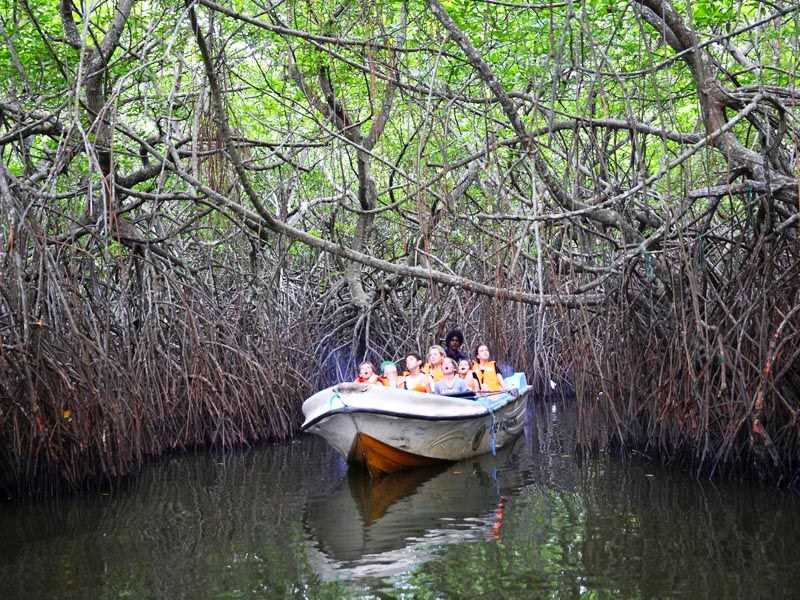
The Madu Ganga is a minor watercourse which originates near Uragasmanhandiya in the Galle District of Sri Lanka, before widening into the Madu Ganga Lake at Balapitiya. The river then flows for a further a 4.4 km (2.7 mi) before draining into the Indian Ocean. It is located 88 km (55 mi) south of Colombo and 35 km (22 mi) north of Galle.
The Buddhist Amarapura Nikaya sect had its first upasampada (higher ordination ceremony) on a fleet of boats anchored upon the Madu Ganga in 1803. The Buddhist Kothduwa temple is situated on an isolated island in the lake.
Turtle Conservation Project
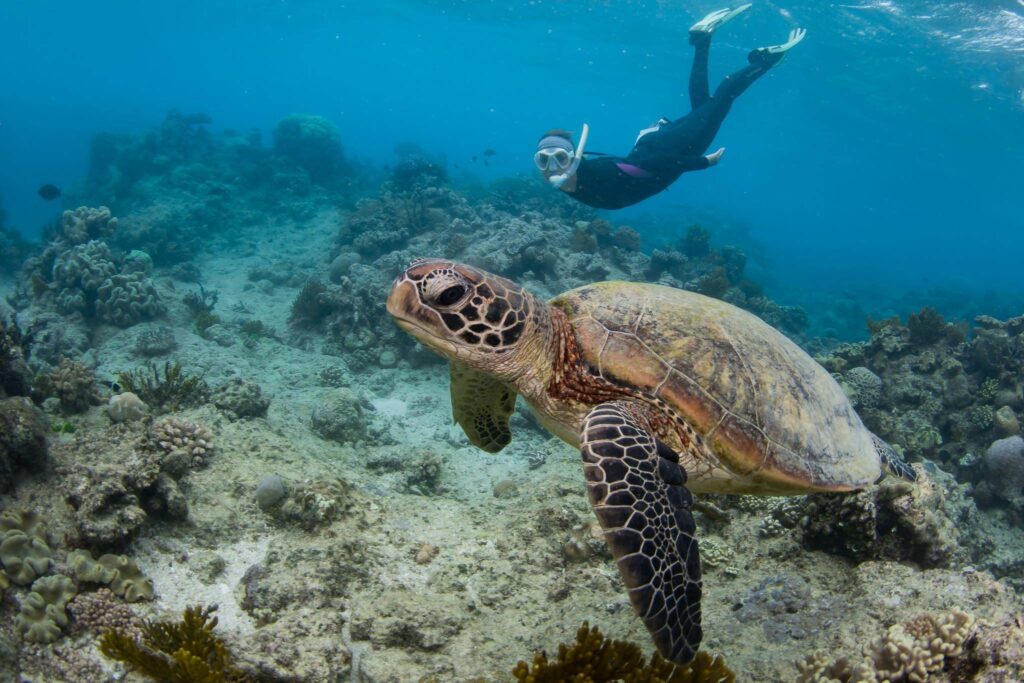
Mangroves only grown in tropical and sub-tropical regions have several adaptations to living in high-saline water and withstand tidal fluctuation. Mangroves mostly evolved in lagoons & estuarine environments and they can never be observed in higher latitudes as they are weak to combat the low-temperature grades. Rekawa, Mannar, Puttalam, Kalpitiya, Trincomalee, Negambo, and around the river mouths of Kaluganga, Bentara river, Madu Ganga, Nilwala river & Walawe are some mangrove patches around Sri Lanka. Mangroves are not a single plant species. “Mangroves” is a common name for a group of species that shows a specific collection of adaptations to living in a particular environment.
Galle Dutch Fort
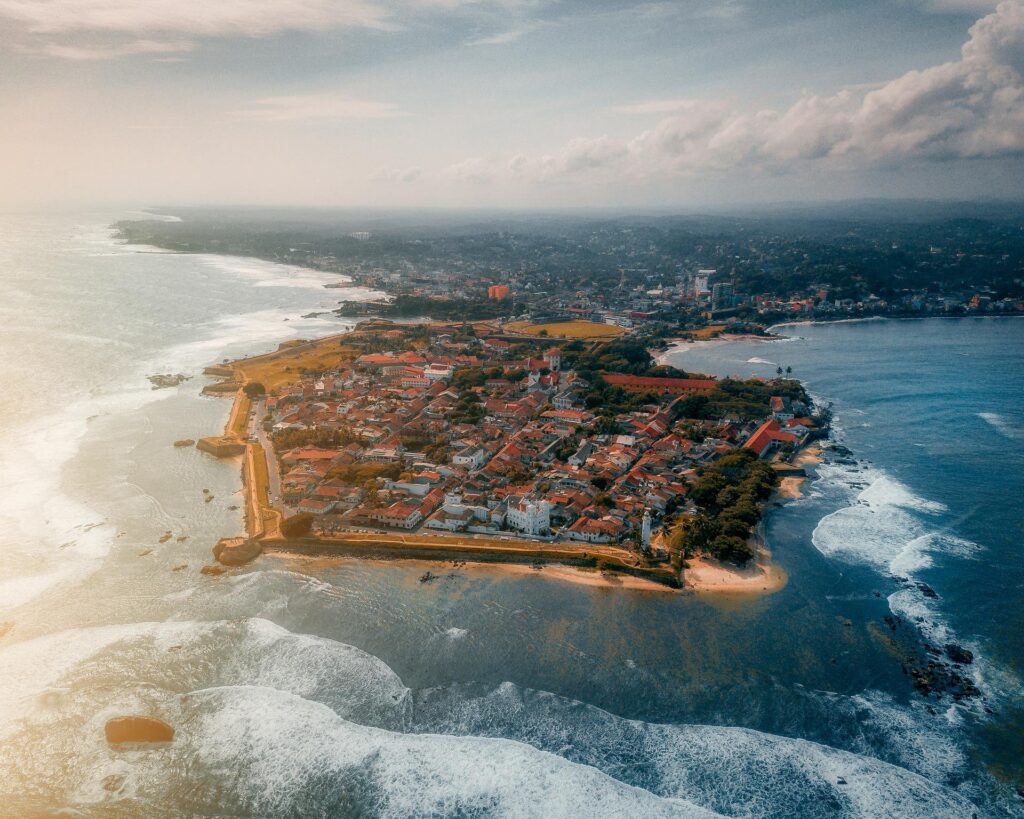
Galle Fort, in the Bay of Galle on the southwest coast of Sri Lanka, was built first in 1588 by the Portuguese, then extensively fortified by the Dutch during the 17th century from 1649 onwards. It is a historical, archaeological and architectural heritage monument, which even after more than 432 years maintains a polished appearance, due to extensive reconstruction work done by the Archaeological Department of Sri Lanka.
Unawatuna Beach
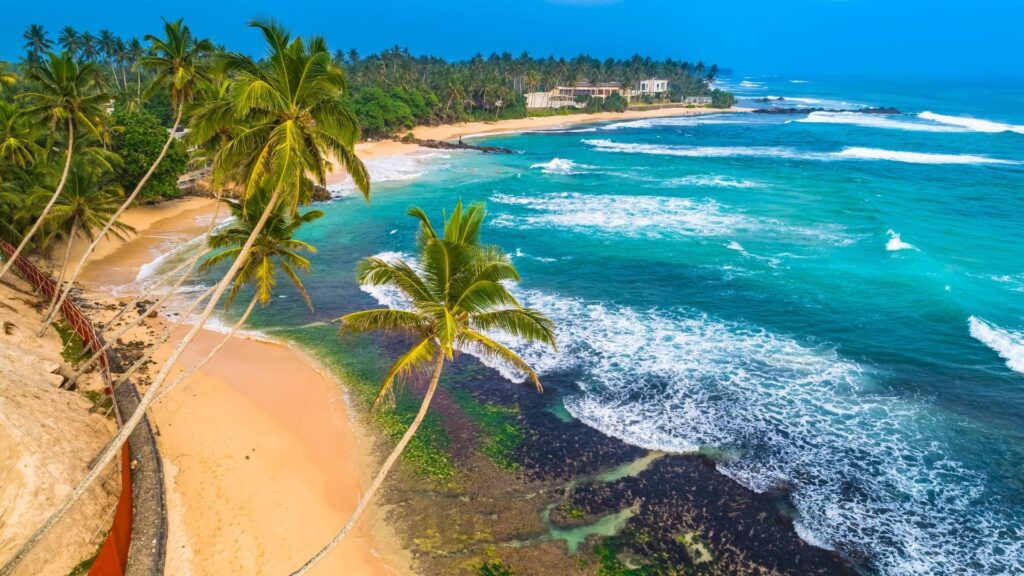
Unawatuna is a coastal town in Galle district of Sri Lanka. Unawatuna is a major tourist attraction in Sri Lanka and known for its beach and corals. It is a suburb of Galle, about 5 kilometres (3.1 mi) southeast to the city center and approximately 108 kilometres (67 mi) south of Colombo. Unawatuna is situated at an elevation of 5 metres (16 ft) above the sea level. Despite significant development in the last decade it is still home to the endangered and endemic purple-faced langur, an unusually shy monkey species that can only be found in Sri Lanka’s forests.
Galle Tour
Destications
- Madu River Boat Safari
- Turtle Conservation Project
- Galle Dutch Fort
- Unawatuna Beach
If you want, you can arrange customized packages to visit the places of your choice.
Madu River Boat Safari
The Madu Ganga is a minor watercourse which originates near Uragasmanhandiya in the Galle District of Sri Lanka, before widening into the Madu Ganga Lake at Balapitiya. The river then flows for a further a 4.4 km (2.7 mi) before draining into the Indian Ocean. It is located 88 km (55 mi) south of Colombo and 35 km (22 mi) north of Galle.
The Buddhist Amarapura Nikaya sect had its first upasampada (higher ordination ceremony) on a fleet of boats anchored upon the Madu Ganga in 1803. The Buddhist Kothduwa temple is situated on an isolated island in the lake.
Turtle Conservation Project
Mangroves only grown in tropical and sub-tropical regions have several adaptations to living in high-saline water and withstand tidal fluctuation. Mangroves mostly evolved in lagoons & estuarine environments and they can never be observed in higher latitudes as they are weak to combat the low-temperature grades. Rekawa, Mannar, Puttalam, Kalpitiya, Trincomalee, Negambo, and around the river mouths of Kaluganga, Bentara river, Madu Ganga, Nilwala river & Walawe are some mangrove patches around Sri Lanka. Mangroves are not a single plant species. “Mangroves” is a common name for a group of species that shows a specific collection of adaptations to living in a particular environment.
Galle Dutch Fort
Galle Fort, in the Bay of Galle on the southwest coast of Sri Lanka, was built first in 1588 by the Portuguese, then extensively fortified by the Dutch during the 17th century from 1649 onwards. It is a historical, archaeological and architectural heritage monument, which even after more than 432 years maintains a polished appearance, due to extensive reconstruction work done by the Archaeological Department of Sri Lanka.
Unawatuna Beach
Unawatuna is a coastal town in Galle district of Sri Lanka. Unawatuna is a major tourist attraction in Sri Lanka and known for its beach and corals. It is a suburb of Galle, about 5 kilometres (3.1 mi) southeast to the city center and approximately 108 kilometres (67 mi) south of Colombo. Unawatuna is situated at an elevation of 5 metres (16 ft) above the sea level. Despite significant development in the last decade it is still home to the endangered and endemic purple-faced langur, an unusually shy monkey species that can only be found in Sri Lanka’s forests.