
Twenty Days Tour
Destications
- Bentota
- Galle
- Mirissa
- Yala
- Ella
- Nuwara Eliya
- Kandy
- Sigiriya
- Polonnaruwa
- Trincomalee
- Jaffna
- Anuradhapura
- Colombo
If you want, you can arrange customized packages to visit the places of your choice.
Special Note
- 50% of the total amount of the package must be paid in advance two weeks before the tour. The remaining amount can be paid during the trip.
- Transport charges and road charges are included in the package and all other charges, hotel accommodation charges and entrance ticket charges are to be borne by you.
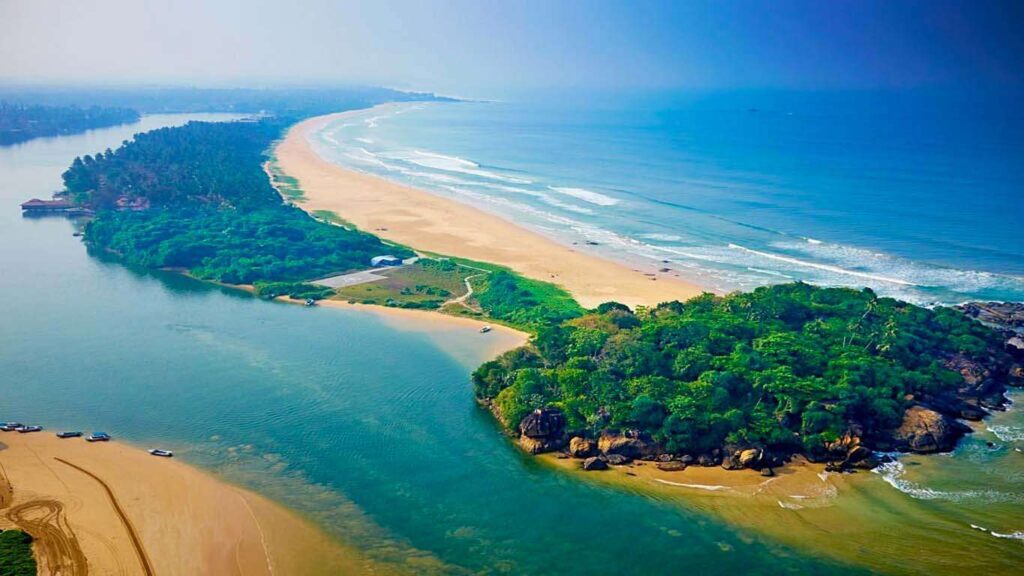
Bentota
Bentota is a coastal town in Sri Lanka, located in the Galle District of the Southern Province. It is approximately 65 kilometres (40 mi) south of Colombo and 56 kilometres (35 mi) north of Galle. Bentota is situated on the southern bank of the Bentota River mouth, at an elevation of 3 metres (9.8 ft) above the sea level.
Bentota has been identified as the ancient Bhimatirtha and the area is also described in ancient messenger poems (sandeśa kāvya). It is believed that the Galapatha Viharaya (which is referred to in chronicles Mahavamsa and Pujavaliya by the name Bhimatittha Viharaya in Pasyodun District) was maybe a cluster of five ancient temples in the region. The 13th-century rock inscription at Galapatha Viharaya also mentions the name Bhimatittha.
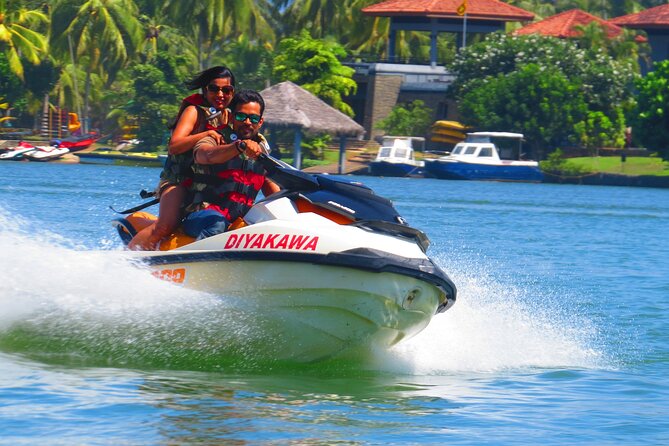
Bentota Water Sports
River adventure offers different water sports activities and courses from beginner level to professionals. Enjoy the newest water sports activities such as Fly fish, Jetski, Wake board, Water ski, Knee board and more we also offer inflatable rides such as the Donut ride, Banana ride, Sofa ride and more. Our trained team is always around to ensure that you get the unforgettable experience and safety.
Galle Fort
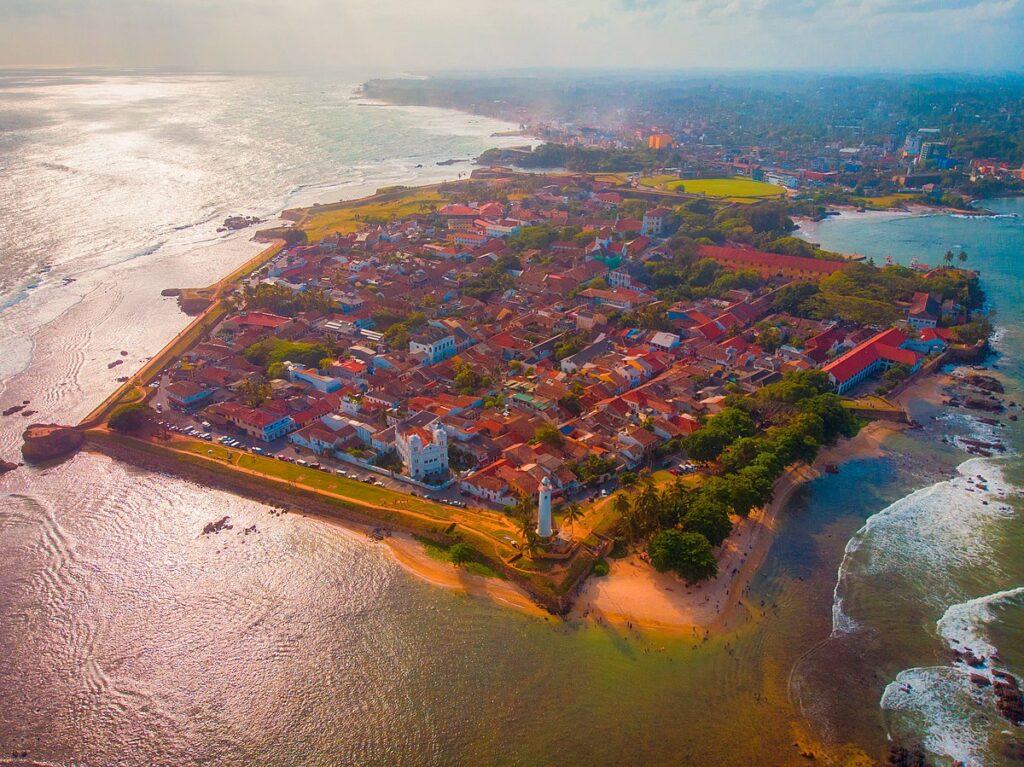
Galle Fort, in the Bay of Galle on the southwest coast of Sri Lanka, was built first in 1588 by the Portuguese, then extensively fortified by the Dutch during the 17th century from 1649 onwards. It is a historical, archaeological and architectural heritage monument, which even after more than 432 years maintains a polished appearance, due to extensive reconstruction work done by the Archaeological Department of Sri Lanka.
Mirissa
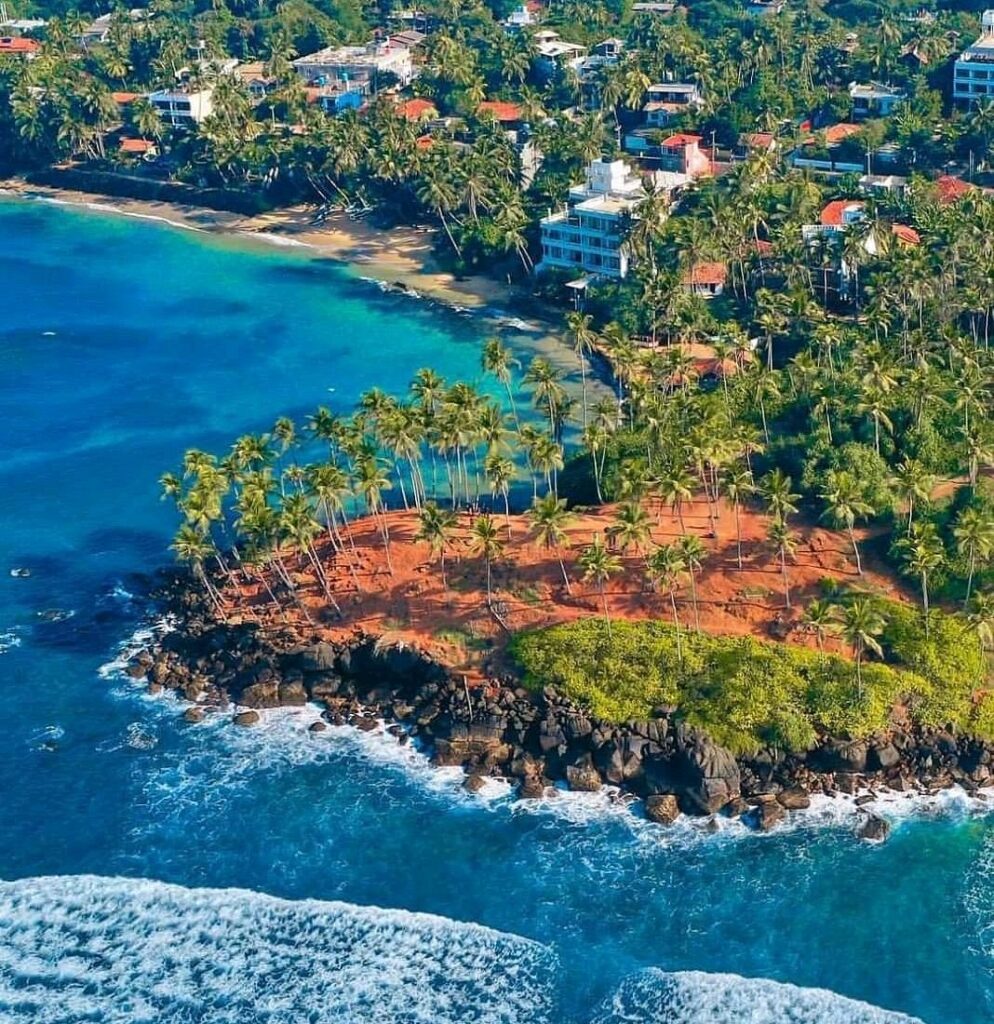
Mirissa is a small town on the south coast of Sri Lanka, located in the Matara District of the Southern Province. It is approximately 150 kilometres (93 mi) south of Colombo and is situated at an elevation of 4 metres (13 ft) above sea level. Mirissa’s beach and nightlife make it a popular tourist destination. It is also a fishing port and one of the island’s main whale and dolphin watching locations.
Mirissa is the largest fishing port on the south coast and is known for its tuna, mullet, snapper, and butterfish. In 1980 the first tourist accommodation was built, and in the mid-1990s tourism to the town started to increase dramatically.Mirissa was affected by the tsunami caused by the 2004 Indian Ocean earthquake, with numerous homes, guesthouses, shops, schools, and temples destroyed or damaged and fourteen reported deaths.
Yala National Park
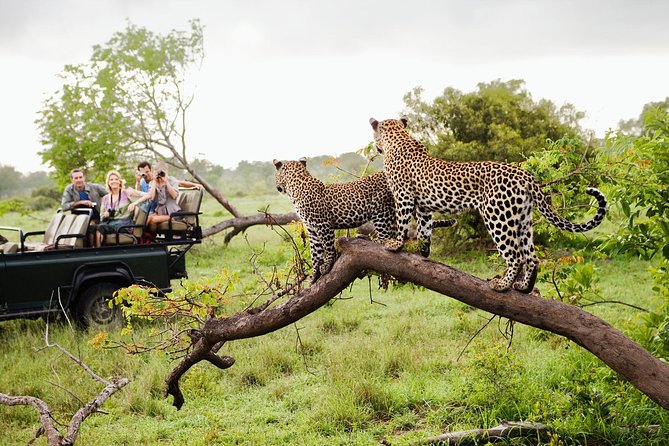
Yala (යාල) National Park is the most visited and second largest national park in Sri Lanka, bordering the Indian Ocean. The park consists of five blocks, three of which are now open to the public. There are also two adjoining parks, Kumana National Park or ‘Yala East’ and Lunugamvehera National Park. The blocks have individual names, such as Palatupana (Block 1). It is situated in the southeastern region of the country, in the Southern Province and Uva Province. The park covers 979 square kilometres (378 sq mi) and is located about 300 kilometres (190 mi) from Colombo. Yala was designated as a wildlife sanctuary in 1900, along with Wilpattu, designated in 1938, as the first two designated national parks in Sri Lanka. The park is best known for its variety of wildlife and is important conservation of Sri Lankan elephants, Sri Lankan leopards and aquatic birds.
Ella
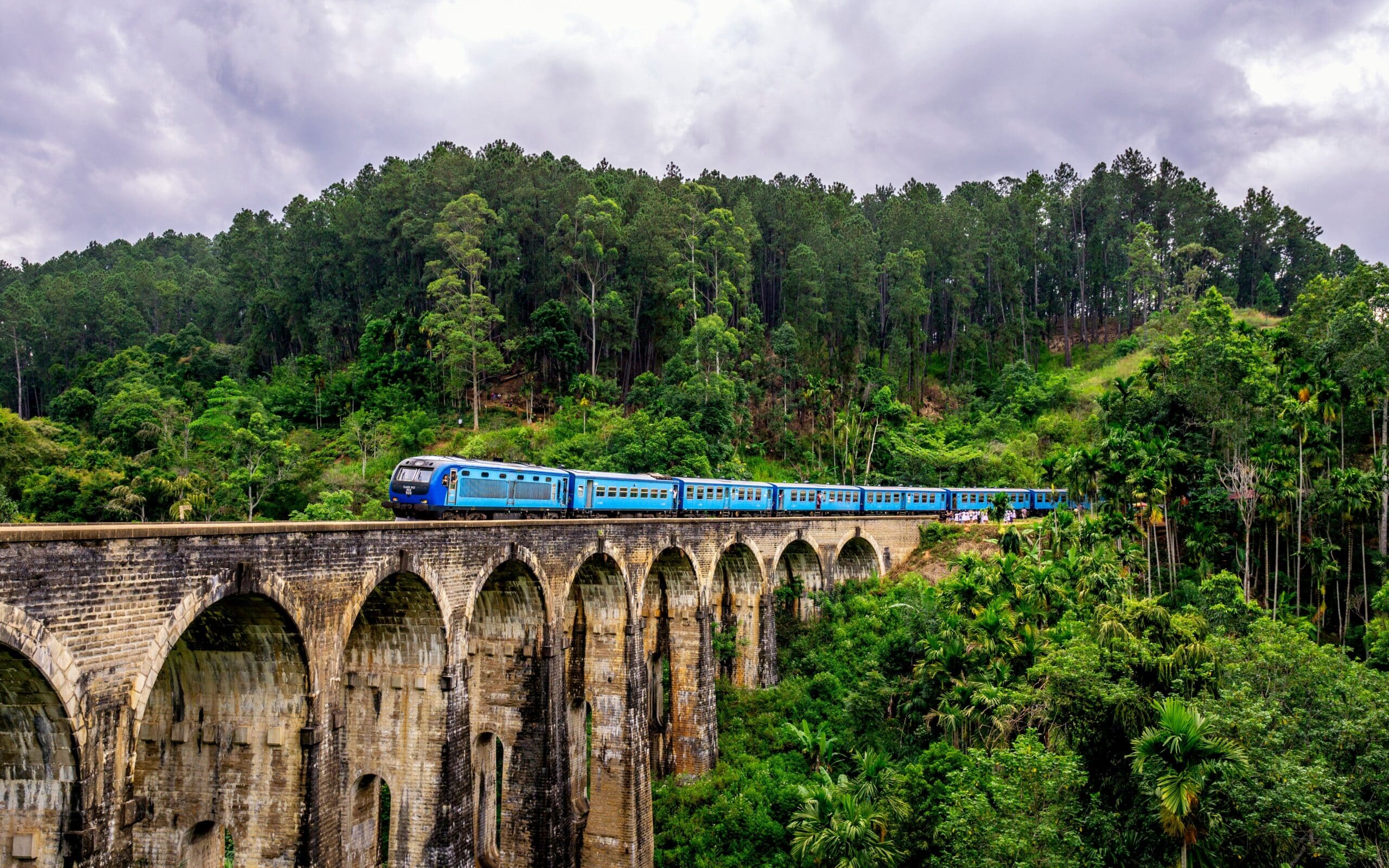
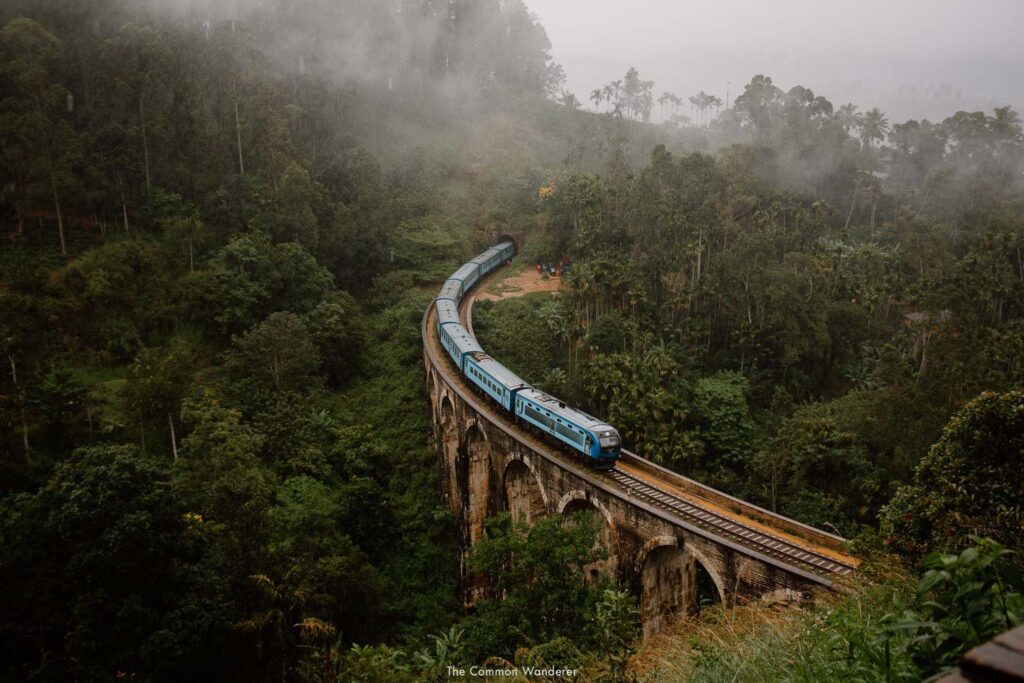
Ella is a small town in the Badulla District of Uva Province, Sri Lanka governed by an Urban Council. It is approximately 200 kilometres (120 mi) east of Colombo and is situated at an elevation of 1,041 metres (3,415 ft) above sea level. The area has a rich bio-diversity, dense with numerous varieties of flora and fauna. Ella is surrounded by hills covered with cloud forests and tea plantations. The town has a cooler climate than surrounding lowlands, due to its elevation. The Ella Gap allows views across the southern plains of Sri Lanka
Nuwara Eliya
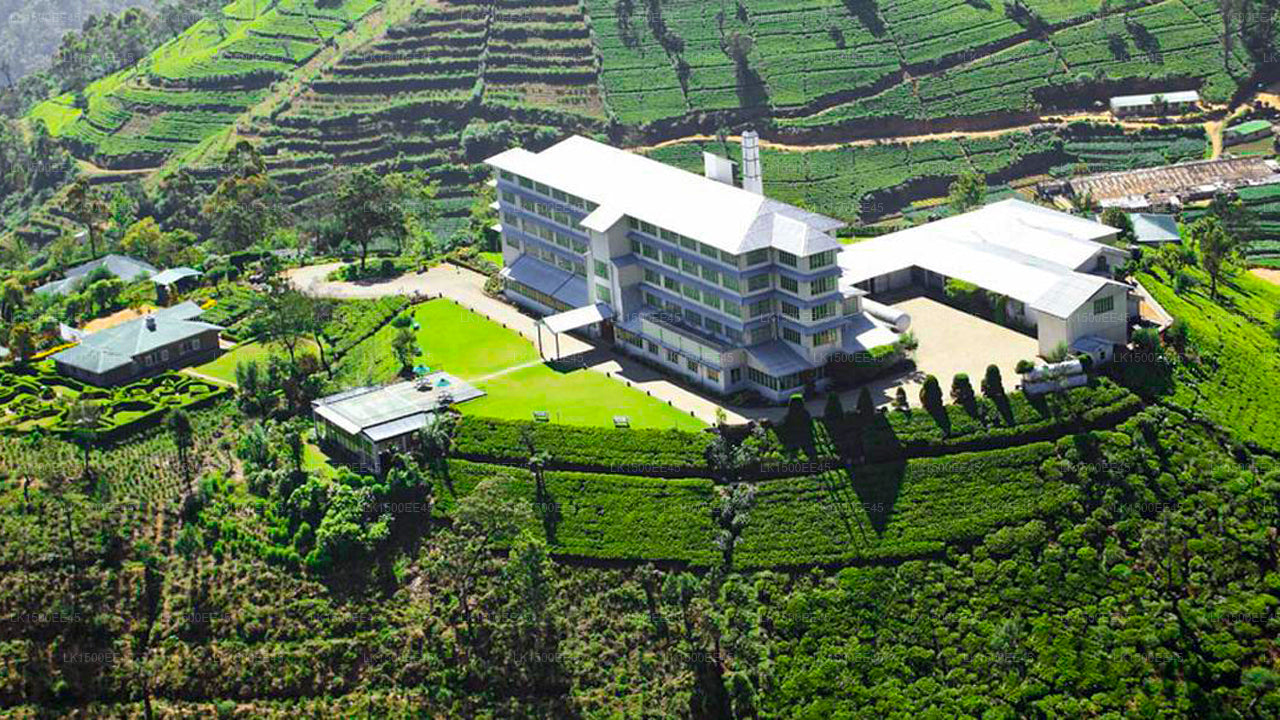
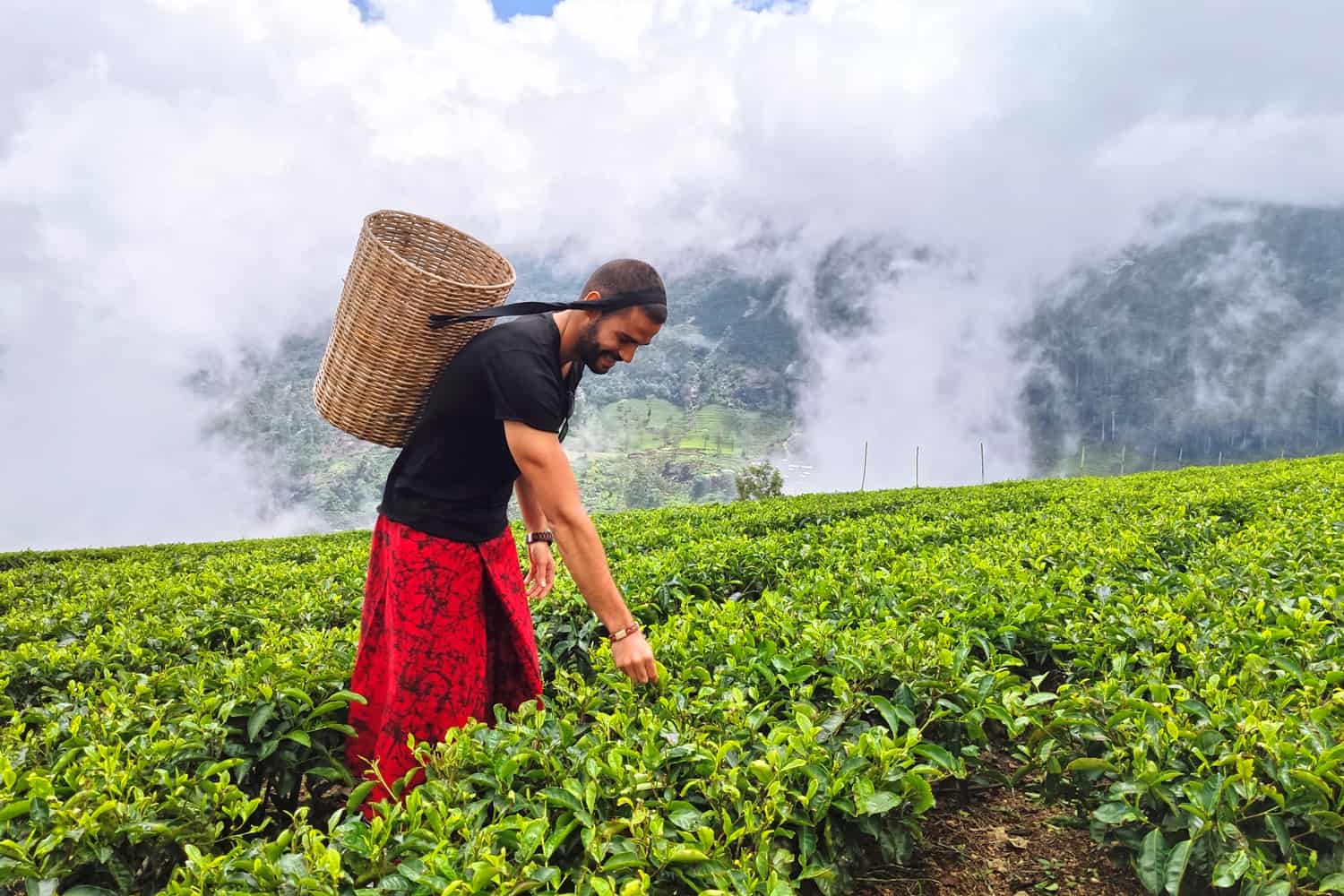
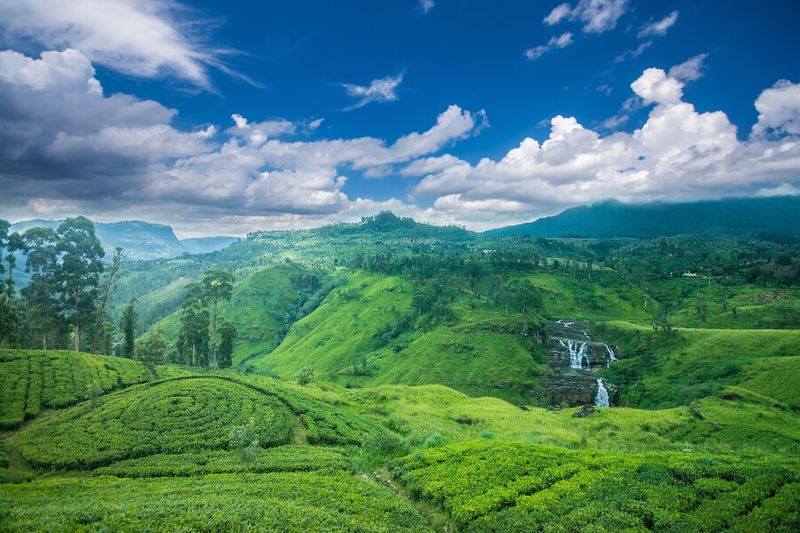
Nuwara Eliya is a city in the hill country of the Central Province, Sri Lanka. Its name means “city on the plain (table land)” or “city of light”. The city is the administrative capital of Nuwara Eliya District, with a picturesque landscape and temperate climate. It is at an altitude of 1,868 m (6,128 ft) and is considered to be the most important location for tea production in Sri Lanka. The city is overlooked by Pidurutalagala, the tallest mountain in Sri Lanka. Nuwara Eliya is known for its temperate, cool climate – the coolest area in Sri Lanka
Kandy
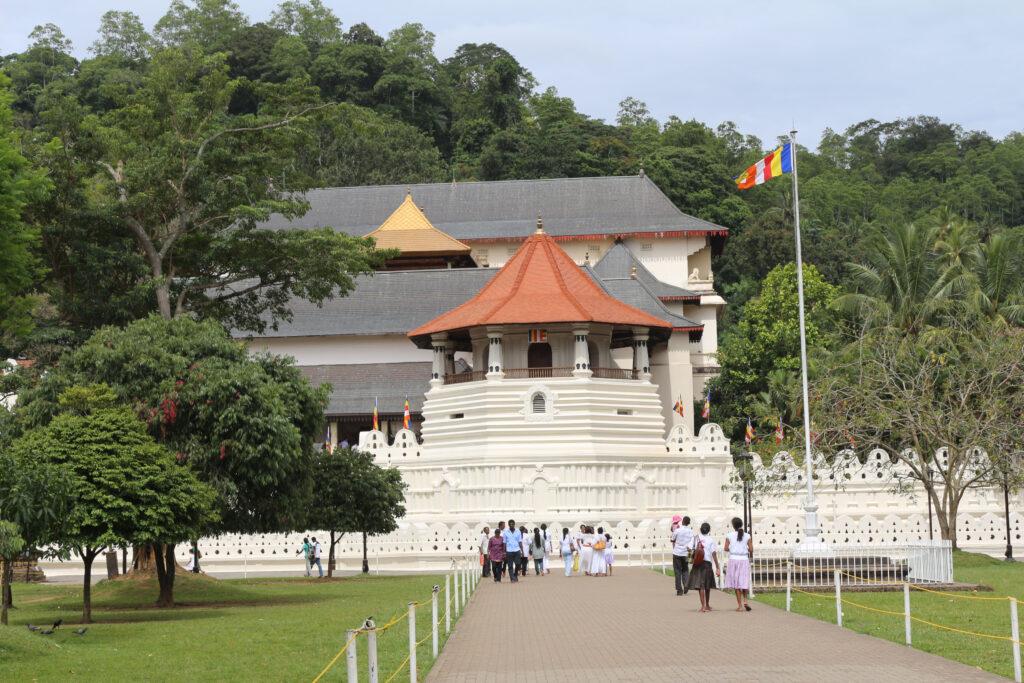
Kandy is a major city in located in the Central Province of Sri Lanka. It was the last capital of the Sinhalese monarchy from 1469 to 1818, under the Kingdom of Kandy. The city is situated in the midst of hills in the Kandy plateau, which crosses an area of tropical plantations, mainly tea. Kandy is both an administrative and religious city and the capital of the Central Province. Kandy is the home of the Temple of the Tooth Relic (Sri Dalada Maligawa), one of the most sacred places of worship in the Buddhist world. It was declared a World Heritage Site by UNESCO in 1988. Historically the local Buddhist rulers resisted Portuguese, Dutch, and British colonial expansion and occupation.
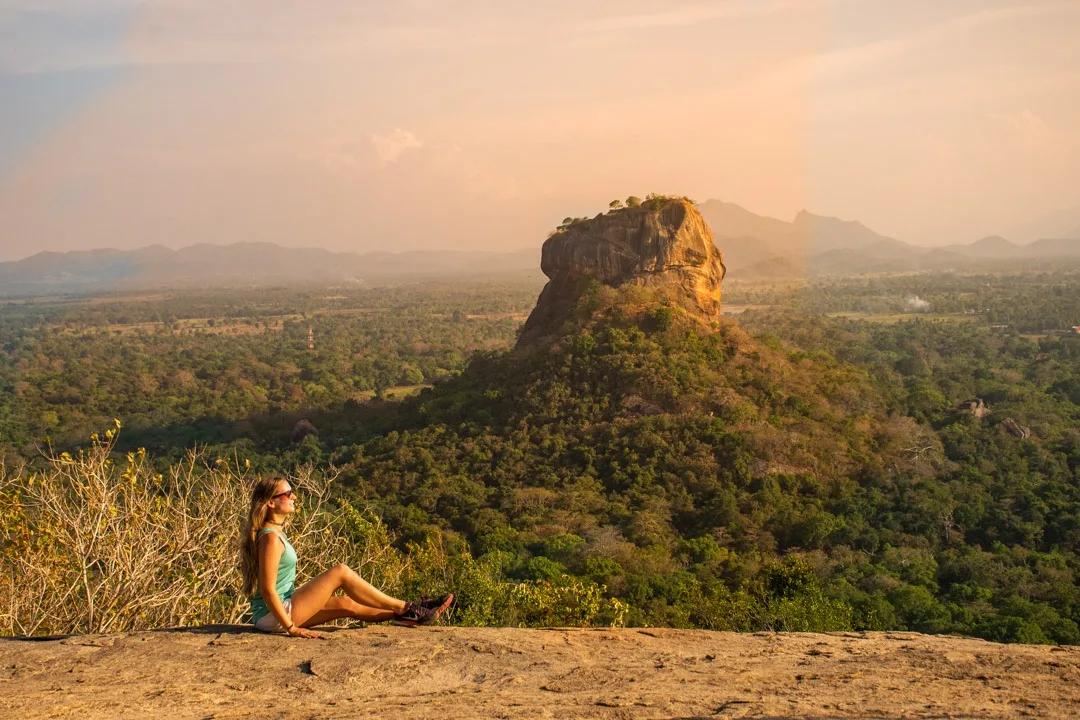
Sigiriya
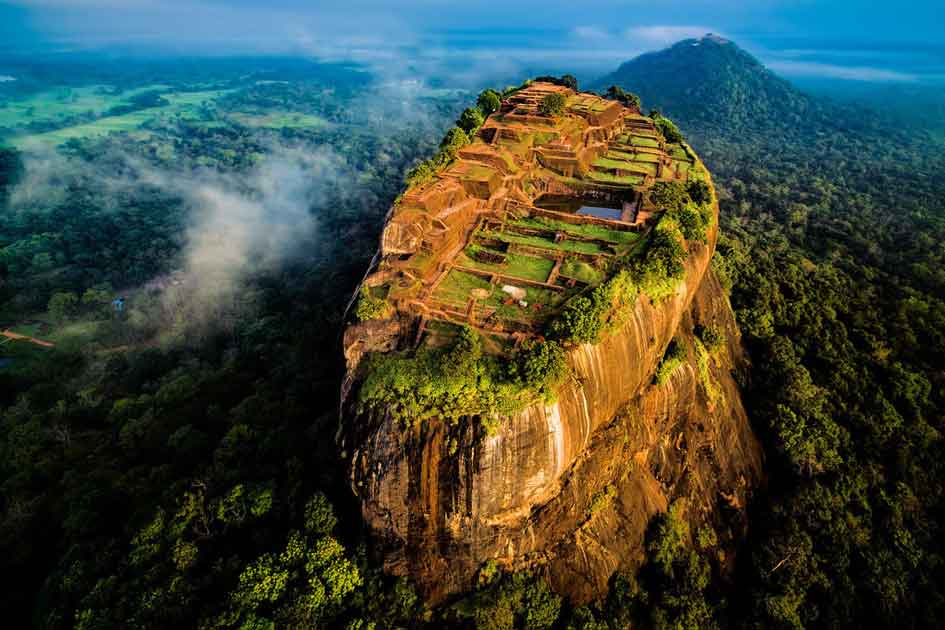
Sigiriya or Sinhagiri is an ancient rock fortress located in the northern Matale District near the town of Dambulla in the Central Province, Sri Lanka. It is a site of historical and archaeological significance that is dominated by a massive column of granite approximately 180 m (590 ft) high.
According to the ancient Sri Lankan chronicle the Cūḷavaṃsa, this area was a large forest, then after storms and landslides it became a hill and was selected by King Kashyapa (AD 477–495) for his new capital. He built his palace on top of this rock and decorated its sides with colourful frescoes. On a small plateau about halfway up the side of this rock he built a gateway in the form of an enormous lion. The name of this place is derived from this structure; Siṃhagiri, the Lion Rock.
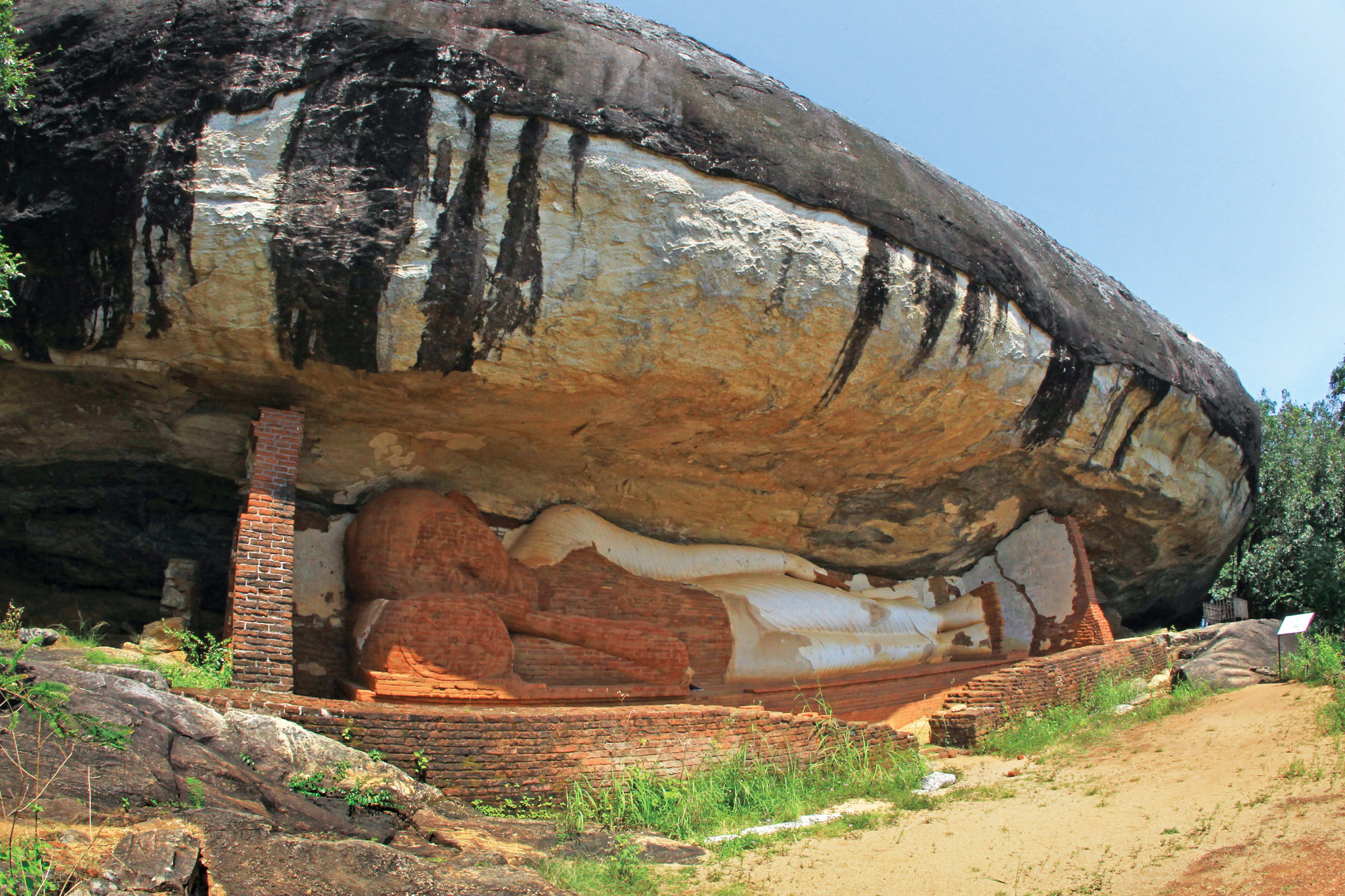
Pidurangala Vihara
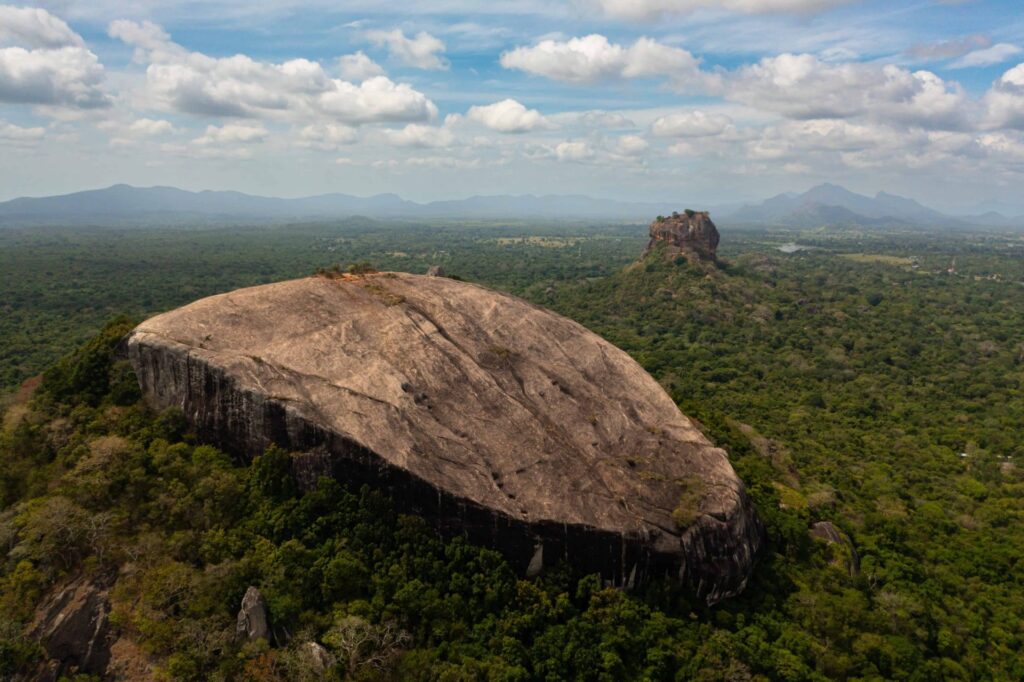
Pidurangala Vihara is an ancient Buddhist temple situated in Pidurangala village of Matale District, Sri Lanka. The temple was constructed on a massive rock called Pidurangala, which is located a few kilometers north of the historical fort Sigiriya.
It is believed that the history of Pidurangala Vihara goes back beyond to the first and second century BC. From those days Pidurangala was used as a Buddhist monastery but became a prominent place during the reign of King Kashyapa (473 – 495 AC).
Polonnaruwa
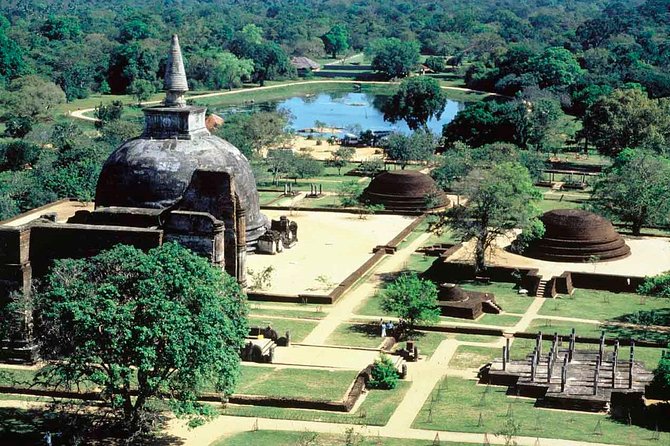
Poḷonnaruwa, also referred as Pulathisipura and Vijayarajapura in ancient times, is the main town of Polonnaruwa District in North Central Province, Sri Lanka. The modern town of Polonnaruwa is also known as New Town, and the other part of Polonnaruwa remains as the royal ancient city of the Kingdom of Polonnaruwa.
The second oldest of all Sri Lanka’s kingdoms, Polonnaruwa was first established as a military post by the Sinhalese kingdom. It was renamed Jananathamangalam by the Chola dynasty after their successful invasion of the country’s then capital, Anuradhapura, in the 10th century. The Ancient City of Polonnaruwa has been declared a World Heritage Site
Trincomalee
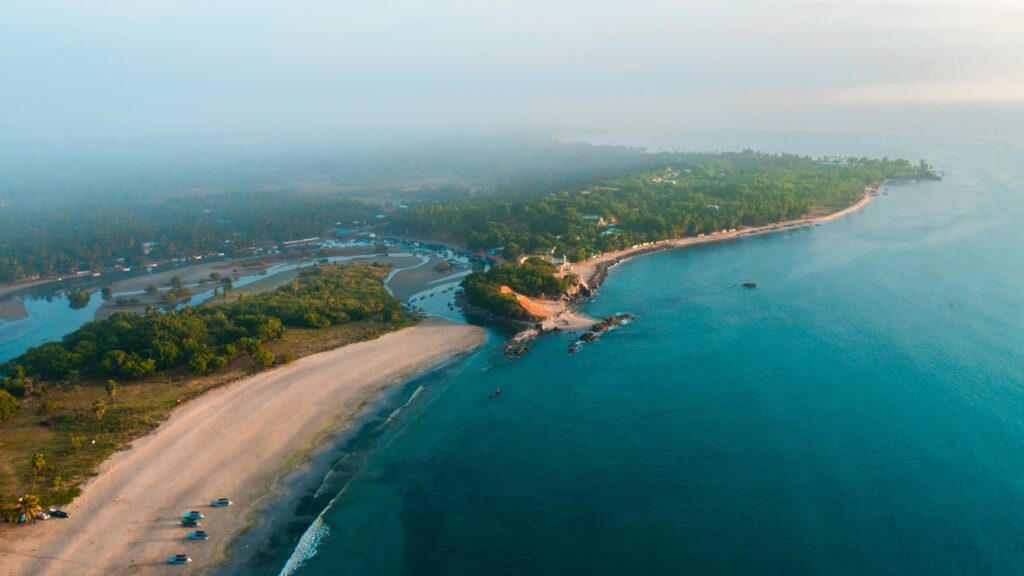
Trincomalee, also known as Gokanna and Gokarna, is the administrative headquarters of the Trincomalee District and major resort port city of Eastern Province, Sri Lanka. Located on the east coast of the island overlooking the Trincomalee Harbour, Trincomalee has been one of the main centres of Sri Lankan Tamil speaking culture on the island for nearly a millennium. With a population of 99,135, the city is built on a peninsula of the same name, which divides its inner and outer harbours. It is home to the famous Koneswaram temple from where it developed and earned its historic Tamil name Thirukonamalai. The town is home to other historical monuments such as the Bhadrakali Amman Temple, Trincomalee, the Trincomalee Hindu Cultural Hall and, opened in 1897, the Trincomalee Hindu College. Trincomalee is also the site of the Trincomalee railway station and an ancient ferry service to Jaffna and the south side of the harbour at Muttur.
Jaffna
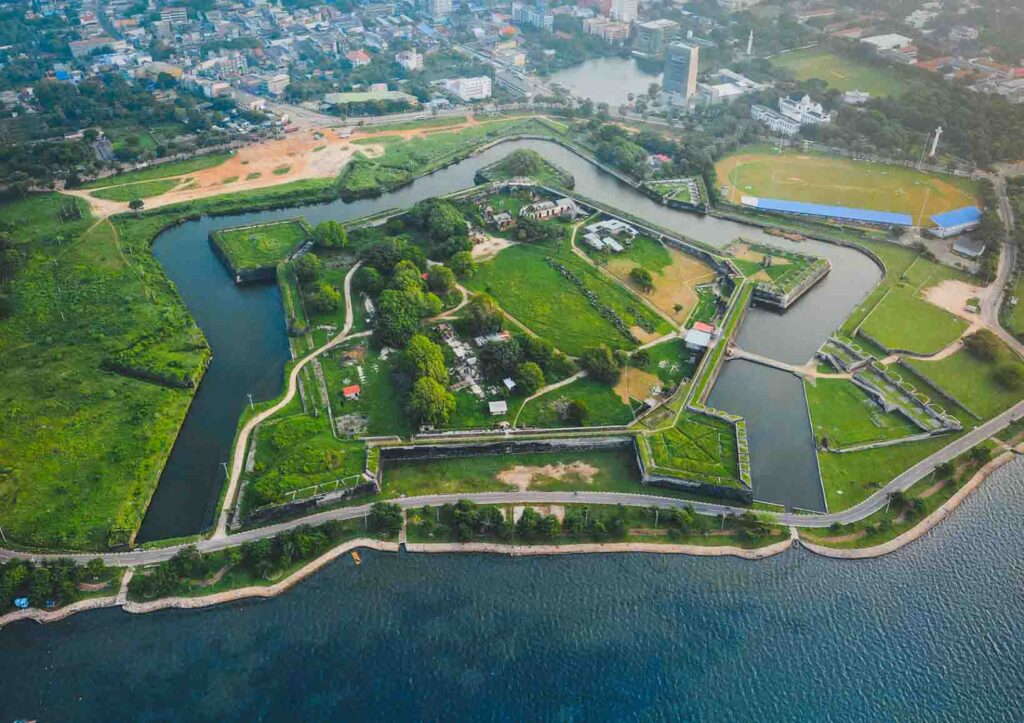
Jaffna is the capital city of the Northern Province of Sri Lanka. It is the administrative headquarters of the Jaffna District located on a peninsula of the same name. With a population of 88,138 in 2012, Jaffna is Sri Lanka’s 12th most populous city. Jaffna is approximately six miles (9.7 kilometres) from Kandarodai which served as an emporium in the Jaffna peninsula from classical antiquity. Jaffna’s suburb Nallur served as the capital of the four-century-long medieval Tamil Jaffna Kingdom.
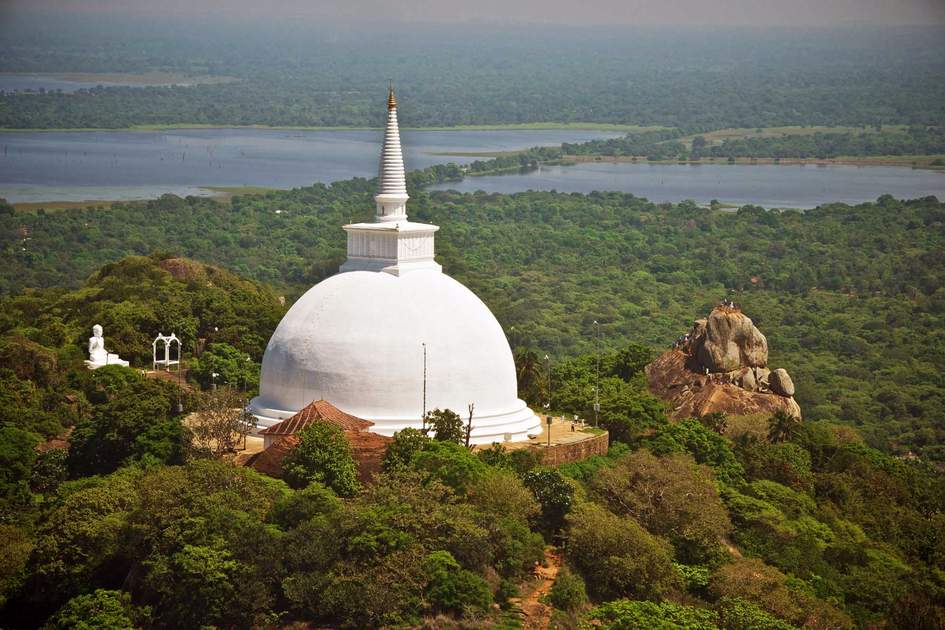
Anuradhapura
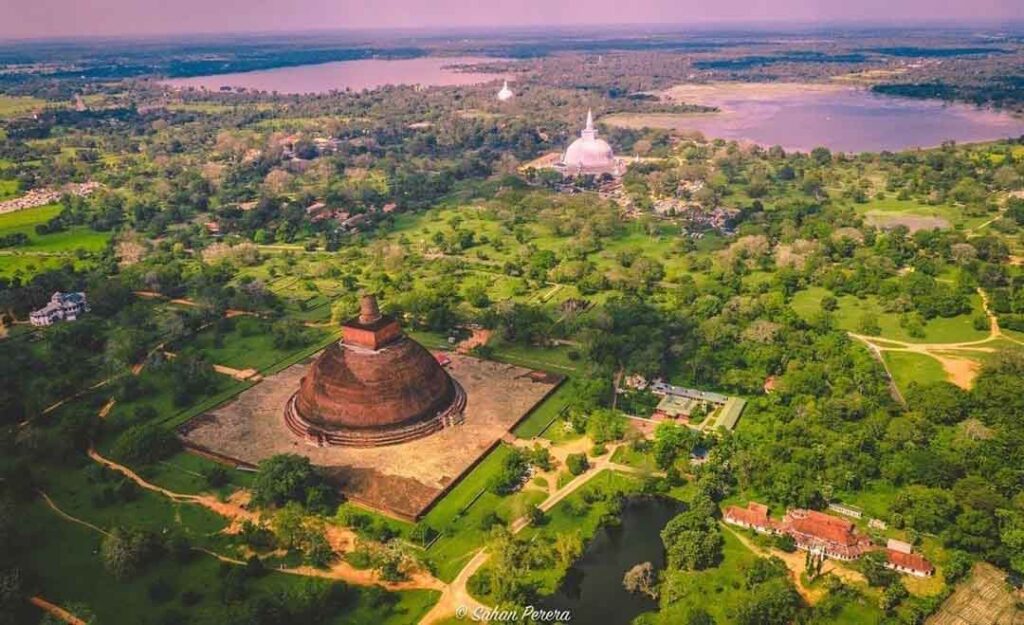
Anuradhapura is a major city located in the north central plain of Sri Lanka. It is the capital city of North Central Province and the capital of Anuradhapura District. The city lies 205 kilometers (127 mi) north of the current capital of Colombo in the North Central Province, on the banks of the historic Malwathu Oya. The city is now a World Heritage Site famous for its well-preserved ruins of the ancient Sinhalese civilisation.
While Mahāvaṃsa places the founding of the city in 437 BCE, the site has been inhabited for much longer, making it a major human settlement on the island for almost three millennia and one of the oldest continuously occupied cities in Asia. It is the cradle of the Hydraulic Sinhalese civilisation, Theravada Buddhism, and the longest-serving ancient capital of Sri Lanka that has survived for 1500 years. Moreover, It was the first capital of the Sinhala Kingdom of Rajarata, following the kingdoms of Tambapanni and Upatissa Nuwara. Anuradhapura was also the centre of Theravada Buddhism for many centuries and has been a major Buddhist pilgrimage site with ruins of many ancient Buddhist temples, including the famous Anuradhapura Maha Viharaya and the Jaya Sri Maha Bodhi, the oldest still-living, documented, planted tree in the world and that is believed to have originally been a branch of the sacred fig tree at Bodh Gaya (Bihar, India), under which the Buddha attained enlightenment. These vast networks of ancient temples and monasteries now cover over 100 square kilometers (40 sq mi) of area of the city today.
Colombo
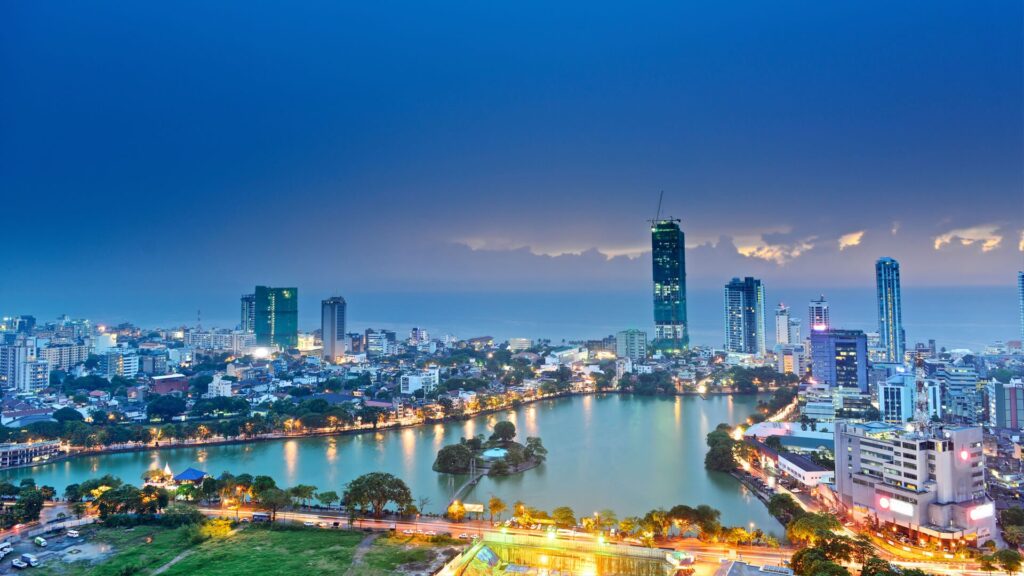
Colombo is the executive and judicial capital and largest city of Sri Lanka by population. According to the Brookings Institution, the Colombo metropolitan area has a population of 5.6 million, and 752,993 in the Municipality. It is the financial centre of the island and a tourist destination. It is located on the west coast of the island and adjacent to the Greater Colombo area which includes Sri Jayawardenepura Kotte, the legislative capital of Sri Lanka, and Dehiwala-Mount Lavinia. Colombo is often referred to as the capital since Sri Jayawardenepura Kotte is itself within the urban/suburban area of Colombo. It is also the administrative capital of the Western Province and the district capital of Colombo District. Colombo is a busy and vibrant city with a mixture of modern life, colonial buildings and monuments.
Twenty Days Tour
Destications
- Bentota
- Galle
- Mirissa
- Yala
- Ella
- Nuwara Eliya
- Kandy
- Sigiriya
- Polonnaruwa
- Trincomalee
- Jaffna
- Anuradhapura
- Colombo
If you want, you can arrange customized packages to visit the places of your choice.
Special Note
- 50% of the total amount of the package must be paid in advance two weeks before the tour. The remaining amount can be paid during the trip.
- Transport charges and road charges are included in the package and all other charges, hotel accommodation charges and entrance ticket charges are to be borne by you.
Bentota
Bentota is a coastal town in Sri Lanka, located in the Galle District of the Southern Province. It is approximately 65 kilometres (40 mi) south of Colombo and 56 kilometres (35 mi) north of Galle. Bentota is situated on the southern bank of the Bentota River mouth, at an elevation of 3 metres (9.8 ft) above the sea level.
Bentota has been identified as the ancient Bhimatirtha and the area is also described in ancient messenger poems (sandeśa kāvya). It is believed that the Galapatha Viharaya (which is referred to in chronicles Mahavamsa and Pujavaliya by the name Bhimatittha Viharaya in Pasyodun District) was maybe a cluster of five ancient temples in the region. The 13th-century rock inscription at Galapatha Viharaya also mentions the name Bhimatittha.
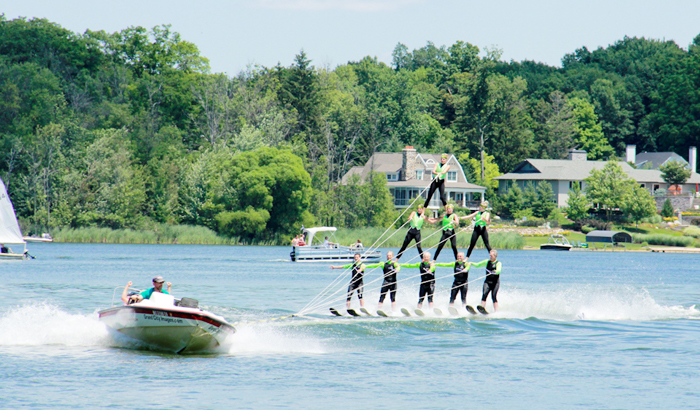
Bentota Water Sports
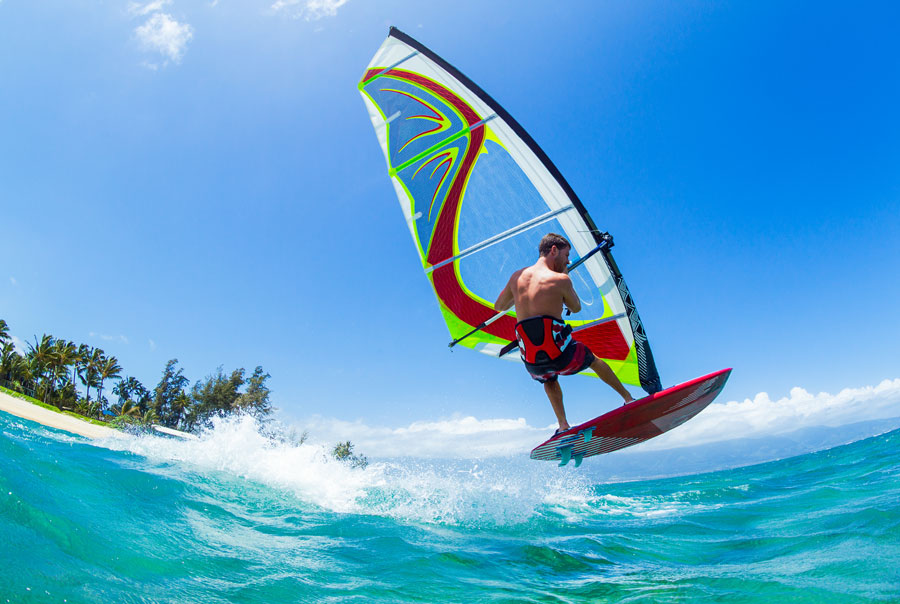
River adventure offers different water sports activities and courses from beginner level to professionals. Enjoy the newest water sports activities such as Fly fish, Jetski, Wake board, Water ski, Knee board and more we also offer inflatable rides such as the Donut ride, Banana ride, Sofa ride and more. Our trained team is always around to ensure that you get the unforgettable experience and safety.
Galle Fort
Galle Fort, in the Bay of Galle on the southwest coast of Sri Lanka, was built first in 1588 by the Portuguese, then extensively fortified by the Dutch during the 17th century from 1649 onwards. It is a historical, archaeological and architectural heritage monument, which even after more than 432 years maintains a polished appearance, due to extensive reconstruction work done by the Archaeological Department of Sri Lanka.
Mirissa
Mirissa is a small town on the south coast of Sri Lanka, located in the Matara District of the Southern Province. It is approximately 150 kilometres (93 mi) south of Colombo and is situated at an elevation of 4 metres (13 ft) above sea level. Mirissa’s beach and nightlife make it a popular tourist destination. It is also a fishing port and one of the island’s main whale and dolphin watching locations.
Mirissa is the largest fishing port on the south coast and is known for its tuna, mullet, snapper, and butterfish. In 1980 the first tourist accommodation was built, and in the mid-1990s tourism to the town started to increase dramatically.Mirissa was affected by the tsunami caused by the 2004 Indian Ocean earthquake, with numerous homes, guesthouses, shops, schools, and temples destroyed or damaged and fourteen reported deaths.
Yala National Park
Yala (යාල) National Park is the most visited and second largest national park in Sri Lanka, bordering the Indian Ocean. The park consists of five blocks, three of which are now open to the public. There are also two adjoining parks, Kumana National Park or ‘Yala East’ and Lunugamvehera National Park. The blocks have individual names, such as Palatupana (Block 1). It is situated in the southeastern region of the country, in the Southern Province and Uva Province. The park covers 979 square kilometres (378 sq mi) and is located about 300 kilometres (190 mi) from Colombo. Yala was designated as a wildlife sanctuary in 1900, along with Wilpattu, designated in 1938, as the first two designated national parks in Sri Lanka. The park is best known for its variety of wildlife and is important conservation of Sri Lankan elephants, Sri Lankan leopards and aquatic birds.
Ella - By Train Journey
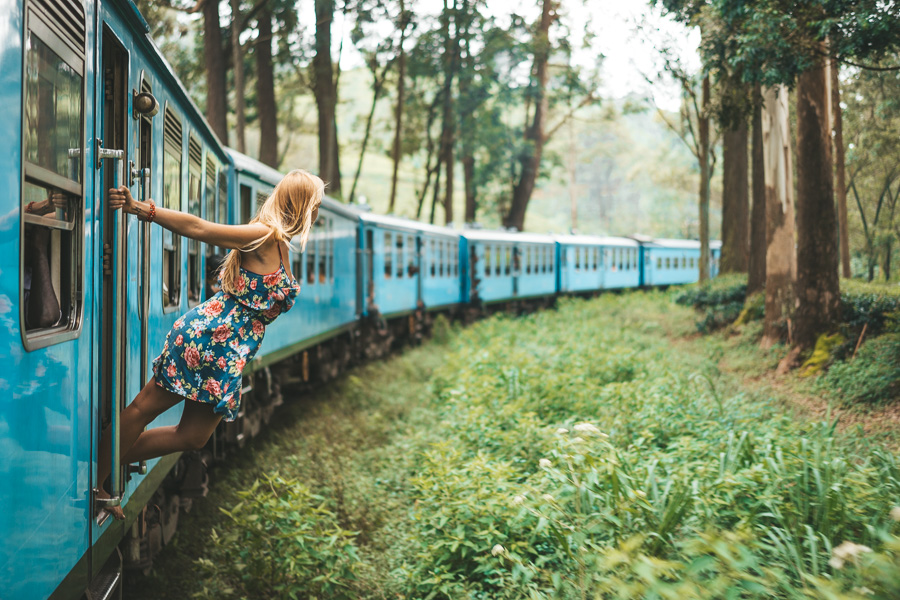
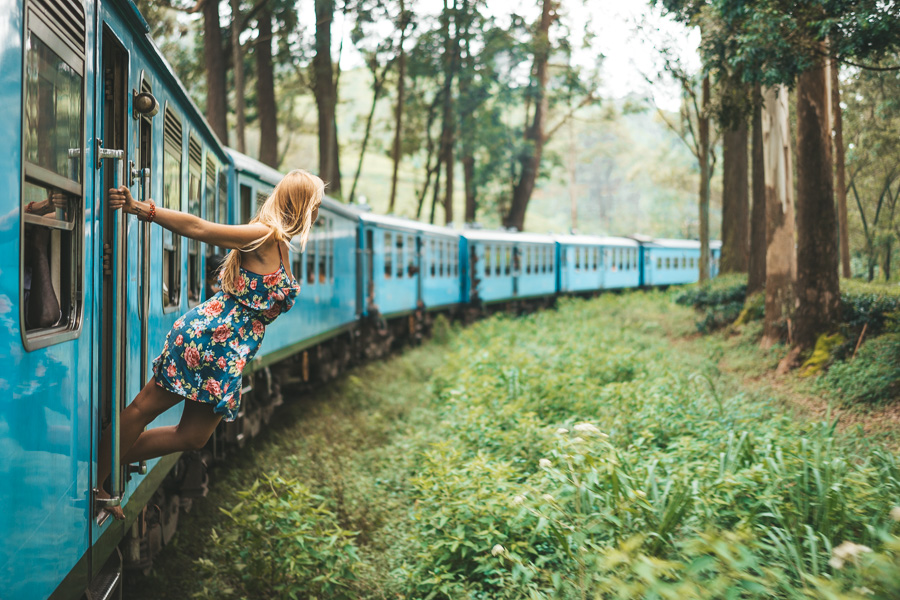
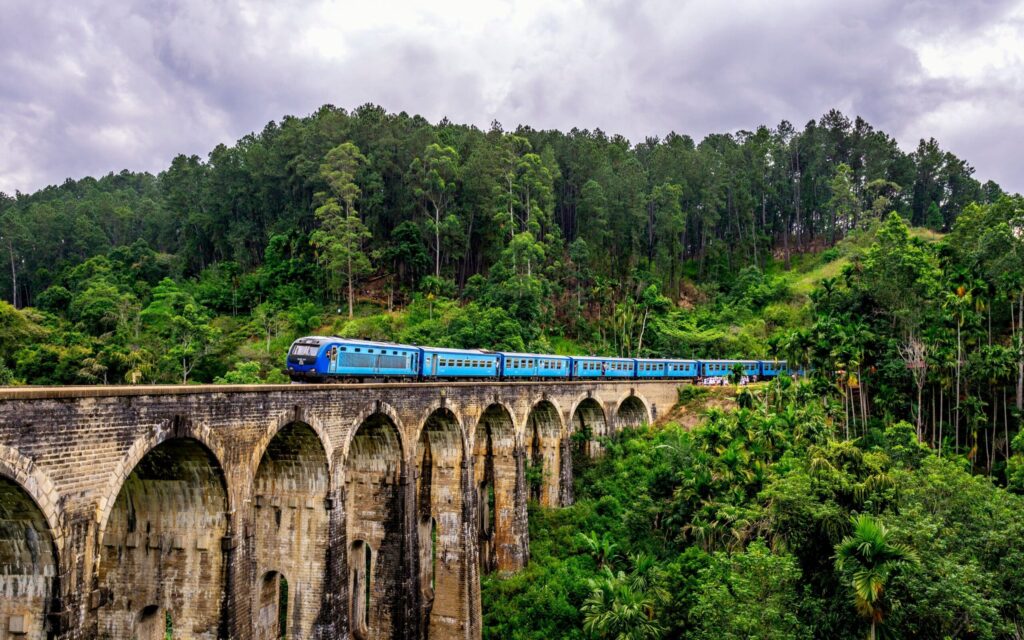
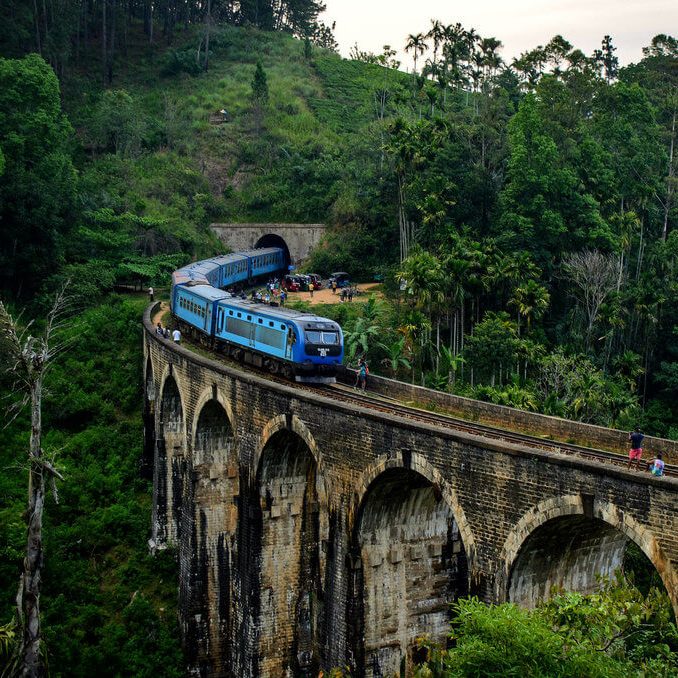
Ella is a small town in the Badulla District of Uva Province, Sri Lanka governed by an Urban Council. It is approximately 200 kilometres (120 mi) east of Colombo and is situated at an elevation of 1,041 metres (3,415 ft) above sea level. The area has a rich bio-diversity, dense with numerous varieties of flora and fauna. Ella is surrounded by hills covered with cloud forests and tea plantations. The town has a cooler climate than surrounding lowlands, due to its elevation. The Ella Gap allows views across the southern plains of Sri Lanka
Nuwara Eliya
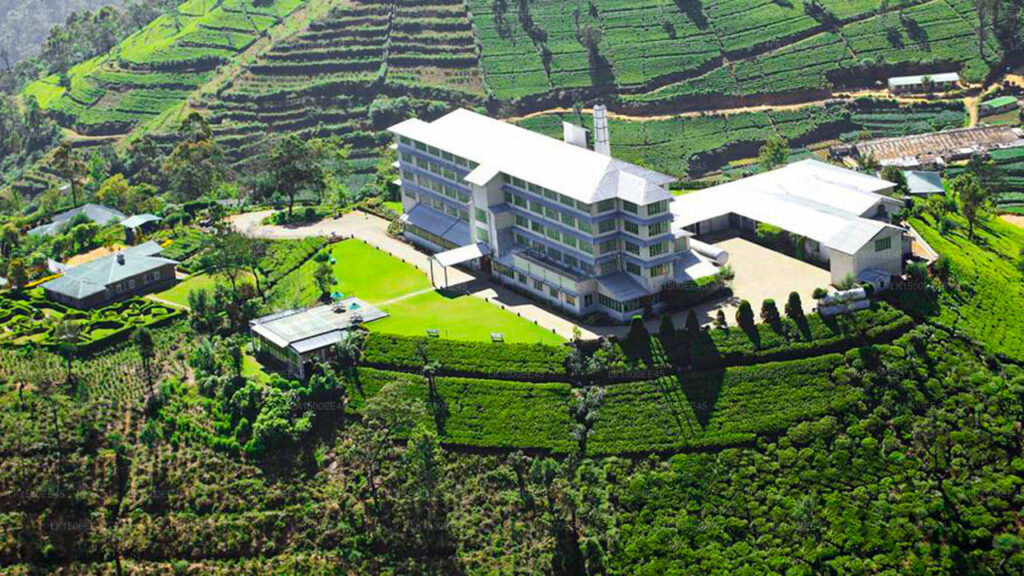
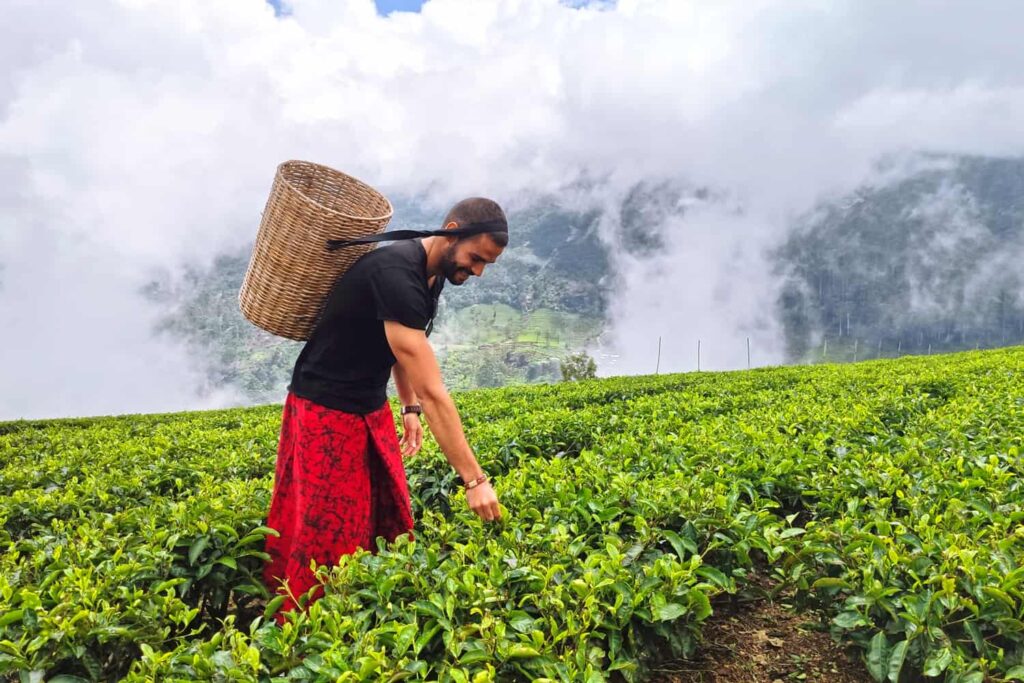
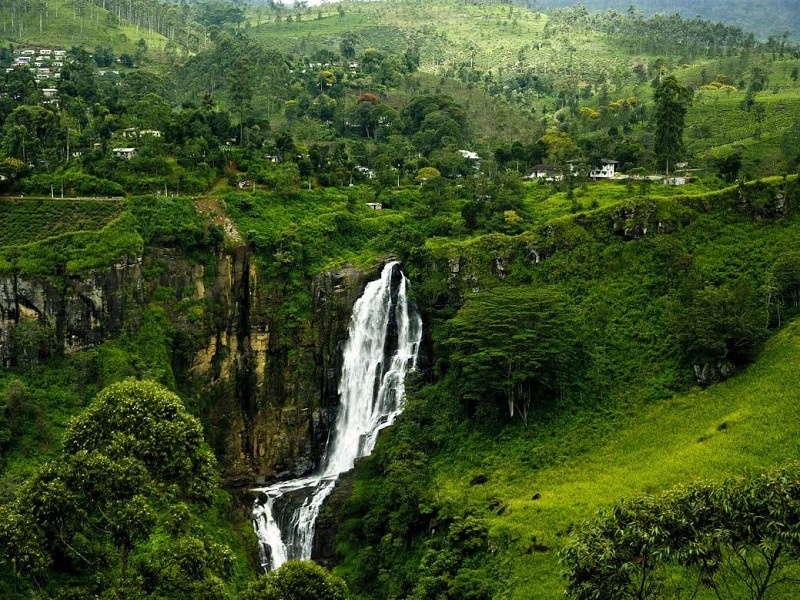
Nuwara Eliya is a city in the hill country of the Central Province, Sri Lanka. Its name means “city on the plain (table land)” or “city of light”. The city is the administrative capital of Nuwara Eliya District, with a picturesque landscape and temperate climate. It is at an altitude of 1,868 m (6,128 ft) and is considered to be the most important location for tea production in Sri Lanka. The city is overlooked by Pidurutalagala, the tallest mountain in Sri Lanka. Nuwara Eliya is known for its temperate, cool climate – the coolest area in Sri Lanka
Kandy
Kandy is a major city in located in the Central Province of Sri Lanka. It was the last capital of the Sinhalese monarchy from 1469 to 1818, under the Kingdom of Kandy. The city is situated in the midst of hills in the Kandy plateau, which crosses an area of tropical plantations, mainly tea. Kandy is both an administrative and religious city and the capital of the Central Province. Kandy is the home of the Temple of the Tooth Relic (Sri Dalada Maligawa), one of the most sacred places of worship in the Buddhist world. It was declared a World Heritage Site by UNESCO in 1988. Historically the local Buddhist rulers resisted Portuguese, Dutch, and British colonial expansion and occupation.
Sigiriya
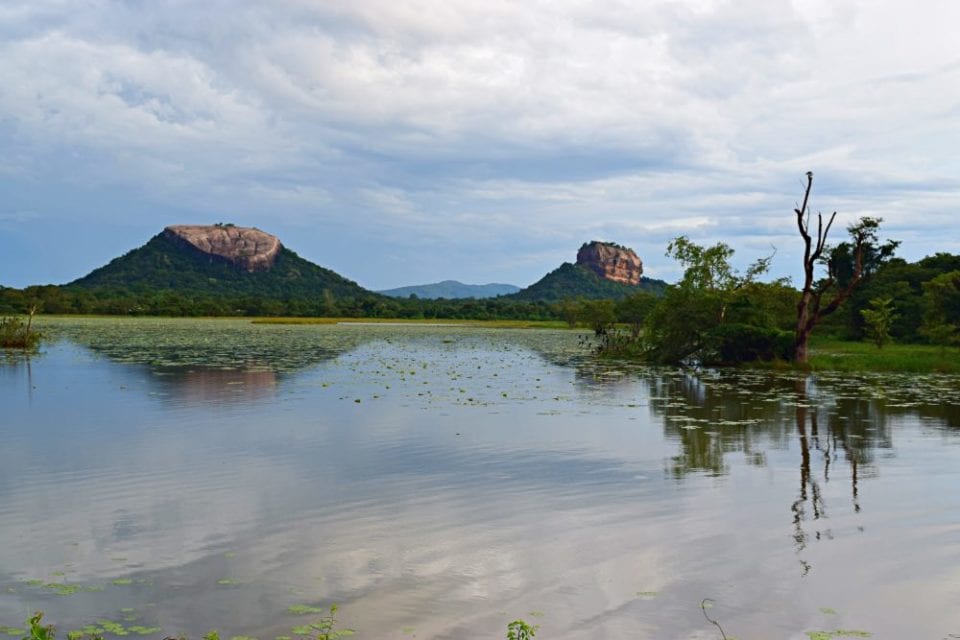
Sigiriya or Sinhagiri is an ancient rock fortress located in the northern Matale District near the town of Dambulla in the Central Province, Sri Lanka. It is a site of historical and archaeological significance that is dominated by a massive column of granite approximately 180 m (590 ft) high.
According to the ancient Sri Lankan chronicle the Cūḷavaṃsa, this area was a large forest, then after storms and landslides it became a hill and was selected by King Kashyapa (AD 477–495) for his new capital. He built his palace on top of this rock and decorated its sides with colourful frescoes. On a small plateau about halfway up the side of this rock he built a gateway in the form of an enormous lion. The name of this place is derived from this structure; Siṃhagiri, the Lion Rock.
Pidurangala Vihara
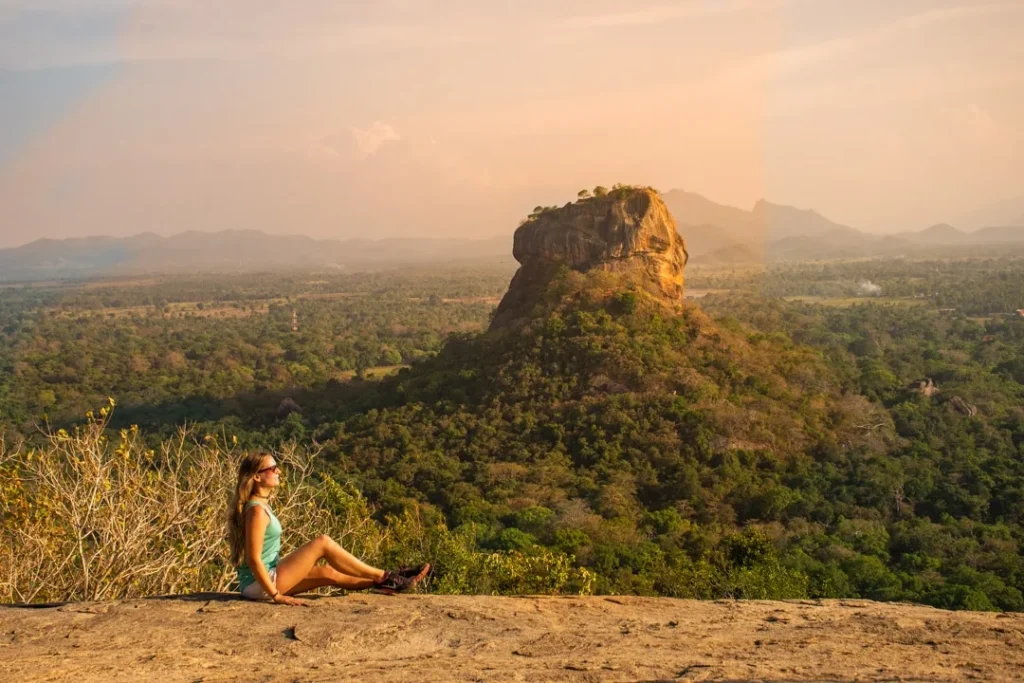
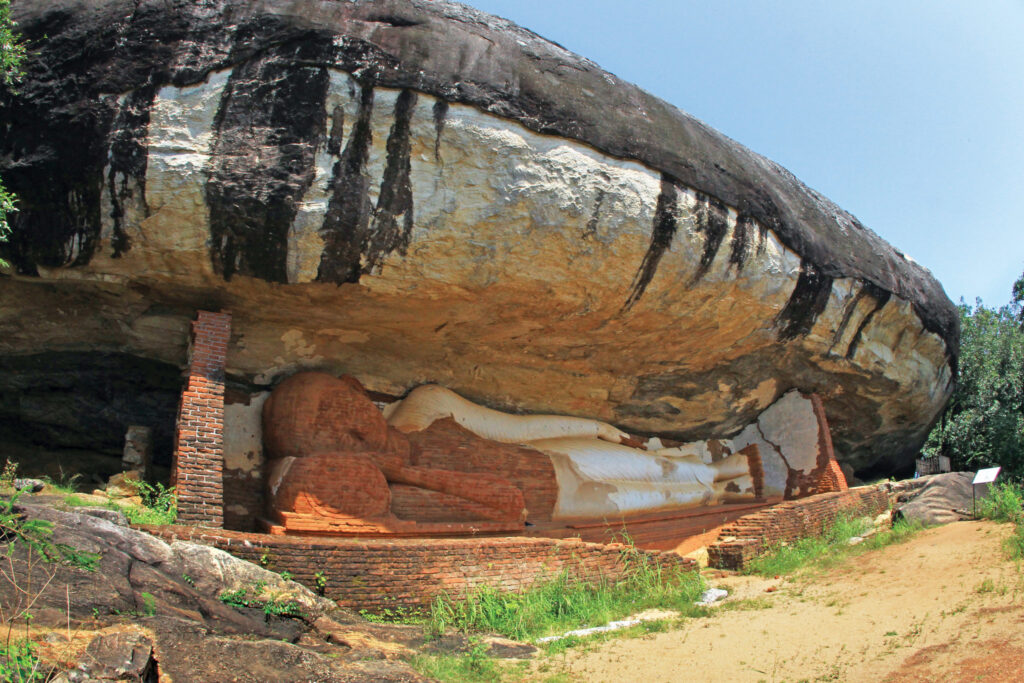
Pidurangala Vihara is an ancient Buddhist temple situated in Pidurangala village of Matale District, Sri Lanka. The temple was constructed on a massive rock called Pidurangala, which is located a few kilometers north of the historical fort Sigiriya.
It is believed that the history of Pidurangala Vihara goes back beyond to the first and second century BC. From those days Pidurangala was used as a Buddhist monastery but became a prominent place during the reign of King Kashyapa (473 – 495 AC).
Polonnaruwa
Poḷonnaruwa, also referred as Pulathisipura and Vijayarajapura in ancient times, is the main town of Polonnaruwa District in North Central Province, Sri Lanka. The modern town of Polonnaruwa is also known as New Town, and the other part of Polonnaruwa remains as the royal ancient city of the Kingdom of Polonnaruwa.
The second oldest of all Sri Lanka’s kingdoms, Polonnaruwa was first established as a military post by the Sinhalese kingdom. It was renamed Jananathamangalam by the Chola dynasty after their successful invasion of the country’s then capital, Anuradhapura, in the 10th century. The Ancient City of Polonnaruwa has been declared a World Heritage Site
Trincomalee
Trincomalee, also known as Gokanna and Gokarna, is the administrative headquarters of the Trincomalee District and major resort port city of Eastern Province, Sri Lanka. Located on the east coast of the island overlooking the Trincomalee Harbour, Trincomalee has been one of the main centres of Sri Lankan Tamil speaking culture on the island for nearly a millennium. With a population of 99,135, the city is built on a peninsula of the same name, which divides its inner and outer harbours. It is home to the famous Koneswaram temple from where it developed and earned its historic Tamil name Thirukonamalai. The town is home to other historical monuments such as the Bhadrakali Amman Temple, Trincomalee, the Trincomalee Hindu Cultural Hall and, opened in 1897, the Trincomalee Hindu College. Trincomalee is also the site of the Trincomalee railway station and an ancient ferry service to Jaffna and the south side of the harbour at Muttur.
Jaffna
Jaffna is the capital city of the Northern Province of Sri Lanka. It is the administrative headquarters of the Jaffna District located on a peninsula of the same name. With a population of 88,138 in 2012, Jaffna is Sri Lanka’s 12th most populous city. Jaffna is approximately six miles (9.7 kilometres) from Kandarodai which served as an emporium in the Jaffna peninsula from classical antiquity. Jaffna’s suburb Nallur served as the capital of the four-century-long medieval Tamil Jaffna Kingdom.
Anuradhapura
Anuradhapura is a major city located in the north central plain of Sri Lanka. It is the capital city of North Central Province and the capital of Anuradhapura District. The city lies 205 kilometers (127 mi) north of the current capital of Colombo in the North Central Province, on the banks of the historic Malwathu Oya. The city is now a World Heritage Site famous for its well-preserved ruins of the ancient Sinhalese civilisation.
While Mahāvaṃsa places the founding of the city in 437 BCE, the site has been inhabited for much longer, making it a major human settlement on the island for almost three millennia and one of the oldest continuously occupied cities in Asia. It is the cradle of the Hydraulic Sinhalese civilisation, Theravada Buddhism, and the longest-serving ancient capital of Sri Lanka that has survived for 1500 years. Moreover, It was the first capital of the Sinhala Kingdom of Rajarata, following the kingdoms of Tambapanni and Upatissa Nuwara. Anuradhapura was also the centre of Theravada Buddhism for many centuries and has been a major Buddhist pilgrimage site with ruins of many ancient Buddhist temples, including the famous Anuradhapura Maha Viharaya and the Jaya Sri Maha Bodhi, the oldest still-living, documented, planted tree in the world and that is believed to have originally been a branch of the sacred fig tree at Bodh Gaya (Bihar, India), under which the Buddha attained enlightenment. These vast networks of ancient temples and monasteries now cover over 100 square kilometers (40 sq mi) of area of the city today.
Colombo
Colombo is the executive and judicial capital and largest city of Sri Lanka by population. According to the Brookings Institution, the Colombo metropolitan area has a population of 5.6 million, and 752,993 in the Municipality. It is the financial centre of the island and a tourist destination. It is located on the west coast of the island and adjacent to the Greater Colombo area which includes Sri Jayawardenepura Kotte, the legislative capital of Sri Lanka, and Dehiwala-Mount Lavinia. Colombo is often referred to as the capital since Sri Jayawardenepura Kotte is itself within the urban/suburban area of Colombo. It is also the administrative capital of the Western Province and the district capital of Colombo District. Colombo is a busy and vibrant city with a mixture of modern life, colonial buildings and monuments.